When shopping for Italian olive oil—whether at a Tuscan frantoio (olive mill), a neighborhood market in Rome, or your favorite online shop anywhere in the world, you’ve likely come across the terms filtrato and non filtrato.
But what exactly is the difference between filtered vs unfiltered olive oil, and how does it affect the way you cook or store it?
Since 2012, I’ve been living on a working farm in Italy. We produce our own olive oil, and the experience has given me expert insight into how olive oil is made, produced and used on a daily basis in the kitchen.
In this guide, I’ll:
- break down the differences between these two styles of olive oil
- explore their best uses in the kitchen
- help you decide which type best suits your needs
Whether you’re buying extra virgin olive oil from Italy or just curious about how to make the most of your bottle from your local supermarket, this guide will help you navigate Italy’s overwhelmingly abundant olive oil scene!
Jump to Section
What’s the Difference Between Filtered and Unfiltered Olive Oil?
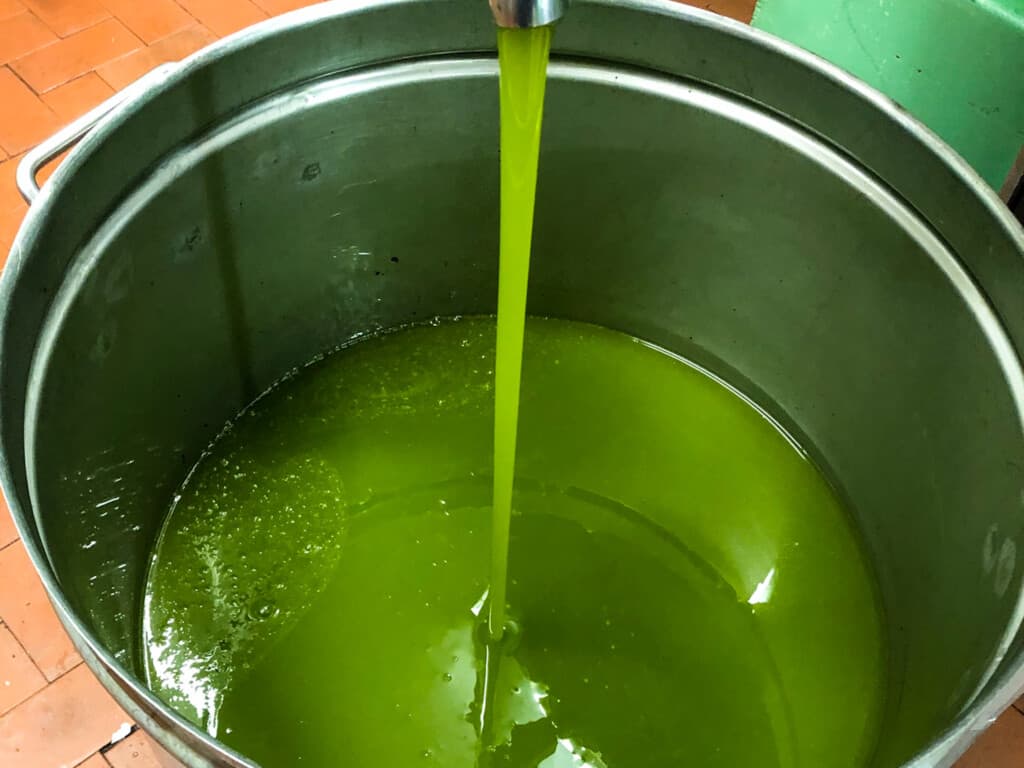
The main difference between filtered and unfiltered olive oil comes down to one thing: whether the oil has been strained of olive pulp and sediment after pressing (filtered) or not (unfiltered).
Both types begin the same way, using freshly harvested olives. But the choice to filter (or not) results in different flavor profiles, shelf life, and best culinary uses.
Filtered Vs Unfiltered Olive Oil At A Glance
| Filtered Olive Oil | Unfiltered Olive Oil |
| Clear, golden, transparent | Cloudy, greenish, opaque |
| Shelf life is longer (up to 18–24 months) | Shelf life is shorter (3–6 months recommended) compared to filtered |
| Described as smooth, mellow, balanced | Described as bold, fruity, slightly bitter |
| Storage is more stable, less sensitive | Storage is sensitive to heat, light, and time |
| Best used for cooking, sautéing, long-term use | Best used for drizzling, finishing dishes, raw use |
What Is Unfiltered Olive Oil?
Unfiltered olive oil, called olio non filtrato in Italian, is essentially the raw juice of the olive, pressed and bottled without removing solid particles like tiny bits of olive skin and pulp. This results in a cloudy appearance and vibrant green hue (this will fade with time), along with a bold, grassy aroma and intense flavor.
Good To Know: If you are buying oil directly from the producer or an olive oil mill in Italy, chances are it’s unfiltered. Double check to be sure.
In Italy, this is known as olio nuovo—the fresh oil of the autumn harvest—and is celebrated as a seasonal treat eaten on toasted bread (fettunta) or drizzled on raw salads, ribollita and other regional specialties served in the fall.
Unfiltered olive oil tends to change with time. It’s spicy and bright green at first but then becomes golden and less pungent with time. To preserve bright green olive oil, freeze it in small batches (even using ice cube trays) and thaw for a special treat at any moment!
What Is Unfiltered Olive Oil Best For?

Unfiltered olive oil is best used as a finishing oil:
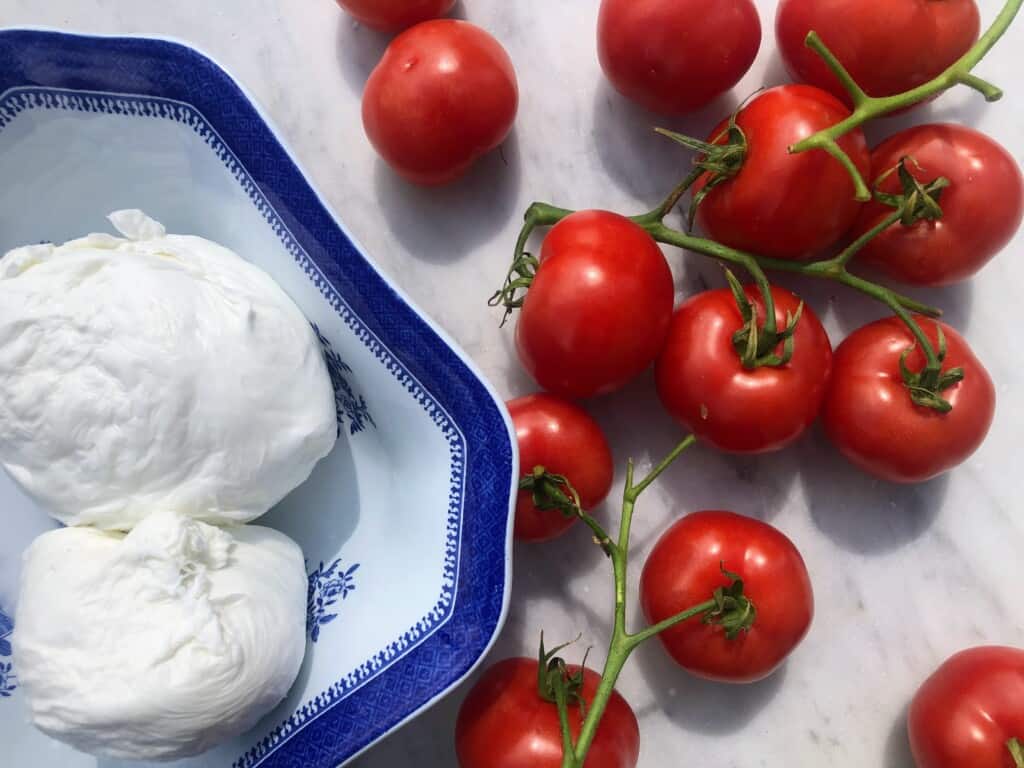
- Drizzled over soups, grilled vegetables, bruschetta, or creamy burrata
- In salad dressing
- Fettunta – with toasted Italian bread and a pinch of sea salt
Because unfiltered oil contains residual moisture and solids, it spoils faster, making its shelf life significantly shorter.
What Is Filtered Olive Oil?

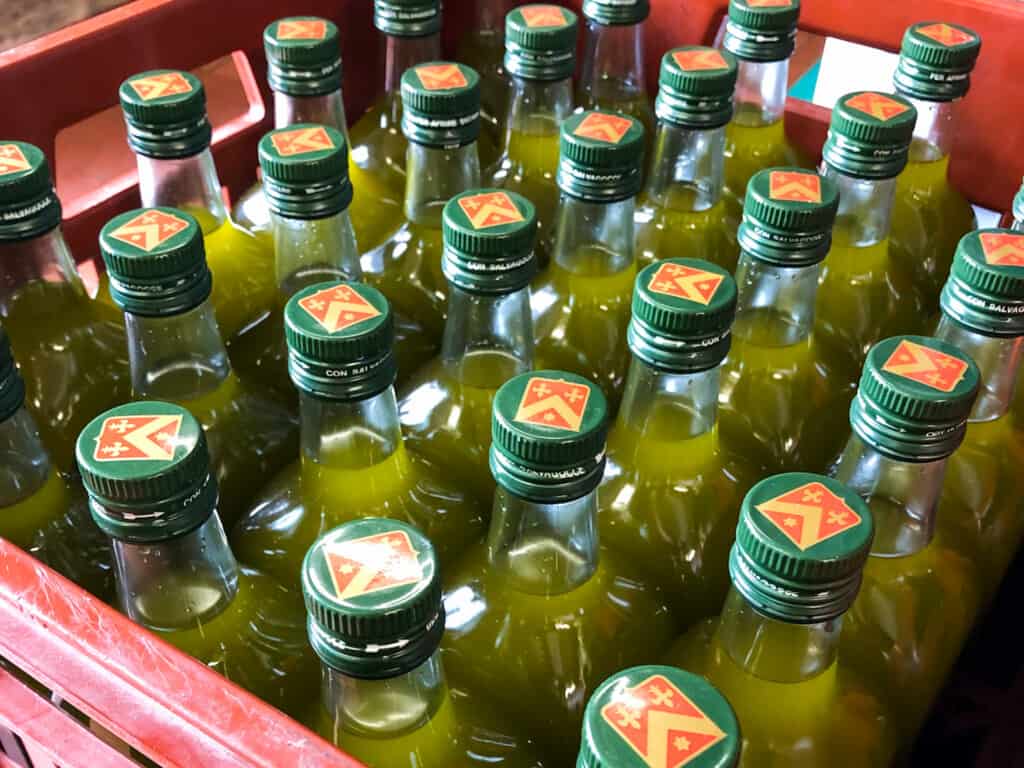
Filtered olive oil, known as olio filtrato in Italian, is strained after pressing to remove any remaining solids and cloudiness. The result is a clear, golden oil that has a longer shelf life and tends to be more stable in the kitchen.
If you’re wondering what the best olive oil for cooking is, filtered oil is usually your answer. It’s more heat-stable and versatile, making it perfect for:
- Sautéing and frying
- Roasting vegetables
- Making pasta sauces and stews
- Everyday use in dressings and marinades
While it might be slightly less intense from a flavor point of view than the unfiltered version, filtered extra virgin olive oil still delivers plenty of rich, fruity flavor.
When to Use Each Type of Olive Oil
Both filtered and unfiltered olive oil have their place in the kitchen. The key is knowing when to use each:
I have had the best experience using unfiltered olive oil for:
- Drizzling on salads
- Finishing grilled meats or seafood
- Drizzling over soups, beans, or stews
- Topping crostini or fresh mozzarella
- Dipping with crusty bread
I like to use filtered olive oil for:
- Cooking at medium-high heat
- Making sauces or marinades
- Baking savory breads or dishes
- Everyday salad dressings
- Long-term pantry storage
How to Store Olive Oil Properly

Whether filtered or unfiltered, olive oil is sensitive to heat, light, and air. Knowing how to store olive oil correctly is key to keeping its flavor and nutritional quality as it was upon purchase.
- Keep it cool (ideally between 14–18°C / 57–65°F)
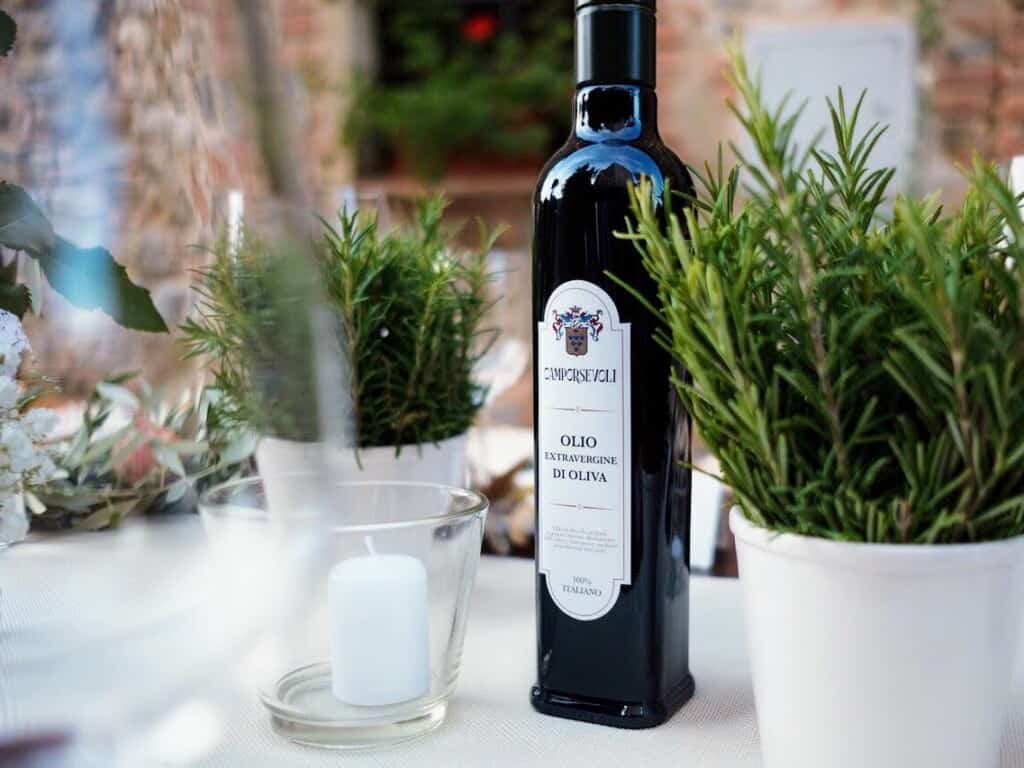
- Avoid light: Choose dark glass bottles or store in a cupboard (meaning not next to the stovetop or on the counter)
- Use it quickly: Especially unfiltered oil, which should be used within a few months
- Seal it tightly: To avoid oxidation
If you bring unfiltered olive oil home from Italy as a souvenir or gift, resist the urge to save it for special occasions. Rather, open it, savor it, and use it liberally while it’s at its freshest.
Final Thoughts: Which Olive Oil Should You Buy?
If you’re drawn to a strong, peppery flavor and don’t mind using it quickly, unfiltered olive oil is a culinary treat—perfect for fresh, raw dishes and dipping.
But if you’re stocking your kitchen for everyday cooking, filtered extra virgin olive oil is your best bet. It lasts longer, is more versatile, and is still packed with flavor when sourced from quality Italian producers.
Many families keep both on hand, including mine. One for cooking, one for finishing. That way, you’re always ready for a simple sauté or for an easy salad.
More On Oil: Get the lowdown on all things olive oil in Italy in
15 Best Italian Olive Oils – To Enjoy in Italy & Bring Home as a Souvenir
Olive Oil Health Benefits – According to Italian Nonne (Grandmothers)
How Italians Cook with Olive Oil
How to Store Olive Oil
Can I Use Olive Oil Instead of Vegetable Oil?
Filtered vs. Unfiltered Olive Oil