Last updated on November 19th, 2025
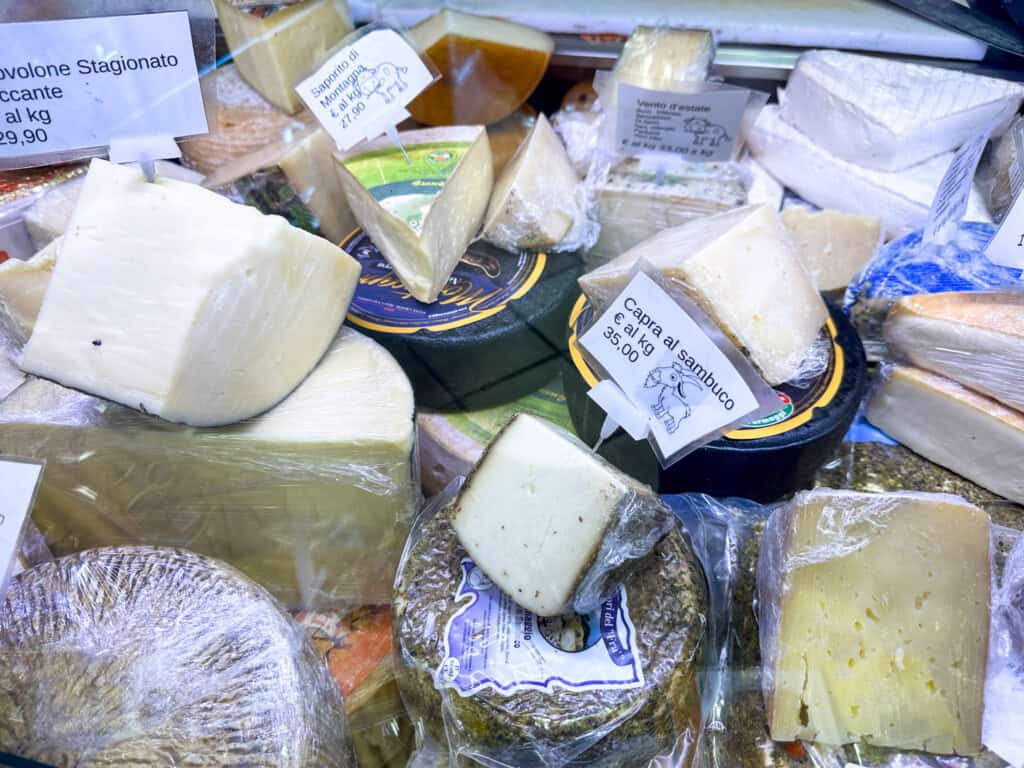
If you’re browsing a cheese counter in Italy and spot small rounds labeled caprino, you’re looking at goat cheese!
Caprino is Italy’s version of goat cheese: soft, tangy, and made in both fresh and aged versions depending on the region.
Often sold in petite rounds or logs and sometimes coated in herbs or ash, caprino can range from creamy and mild to firm and pungent. Whether you spread it on crostini or crumble it into a salad, this versatile Italian cheese is a must-try for goat cheese lovers.
In this Italian cheese guide, I’ll go over:
- caprino basics
- how to pronounce caprino in Italian
- how caprino is made
- how it differs from other goat cheeses
- how to use it in Italian cooking
Let’s go(at)!
Jump to Section
What Is Caprino Cheese?

Caprino is an Italian cheese made primarily from goat’s milk. In fact, the word capra means “goat” in Italian. Depending on where it’s made and how long it’s aged, caprino can be:
- Fresh (caprino fresco) – soft, spreadable, with a delicate tang
- Aged (caprino stagionato) – firmer, saltier, and more pungent
Caprino is made throughout Italy, but it’s especially popular in northern regions like Piedmont, Lombardy, and Veneto, where it’s often produced by small-scale dairies or mountain cheesemakers.
Good To Know: Not all caprino is made with 100% goat’s milk. Some versions—especially industrial ones—may include a blend of goat’s and cow’s milk. Look for caprino di latte di capra if you want to try it made with 100% goat’s milk.
How To Pronounce Caprino In Italian
Caprino is pronounced kah-PREE-noh in Italian.
Listen to the pronunciation of caprino here:
How Caprino Is Made
Caprino is traditionally made using raw (watch out pregnant women in Italy!) or pasteurized goat’s milk, often from Alpine breeds. The milk is curdled with natural rennet, then gently ladled into molds and drained.
Fresh caprino is aged just a few days, giving it a creamy, spreadable texture and a mild, tangy flavor. Aged caprino is matured for several weeks or even months. It becomes firmer, drier, and develops a rind, sometimes with a bloomy mold (a light fuzz). You might come across varieties of aged caprino rolled in herbs, black pepper, or ash for flavor and color.
Good to Know: Fresh caprino should be eaten quickly as it tends to become moldy pretty quickly.
Caprino vs. Goat Cheese: What’s the Difference?
Caprino is Italy’s version of goat cheese—but not all goat cheeses are created equal. Here’s how caprino compares to French-style chèvre or other international goat cheeses that you may have tried
| Caprino (Italian Goat Cheese) | Other Goat Cheeses (e.g., Chèvre) |
| Made in Italy, often with raw milk | Made in France, the U.S., or elsewhere |
| Can be fresh or aged | Typically fresh and soft |
| Mild to tangy flavor, depending on age | Often more tart or grassy |
| Comes plain or rolled in herbs, ash, or spices | Same, but different traditions and flavor combinations |
How To Use Caprino in Italian Cooking
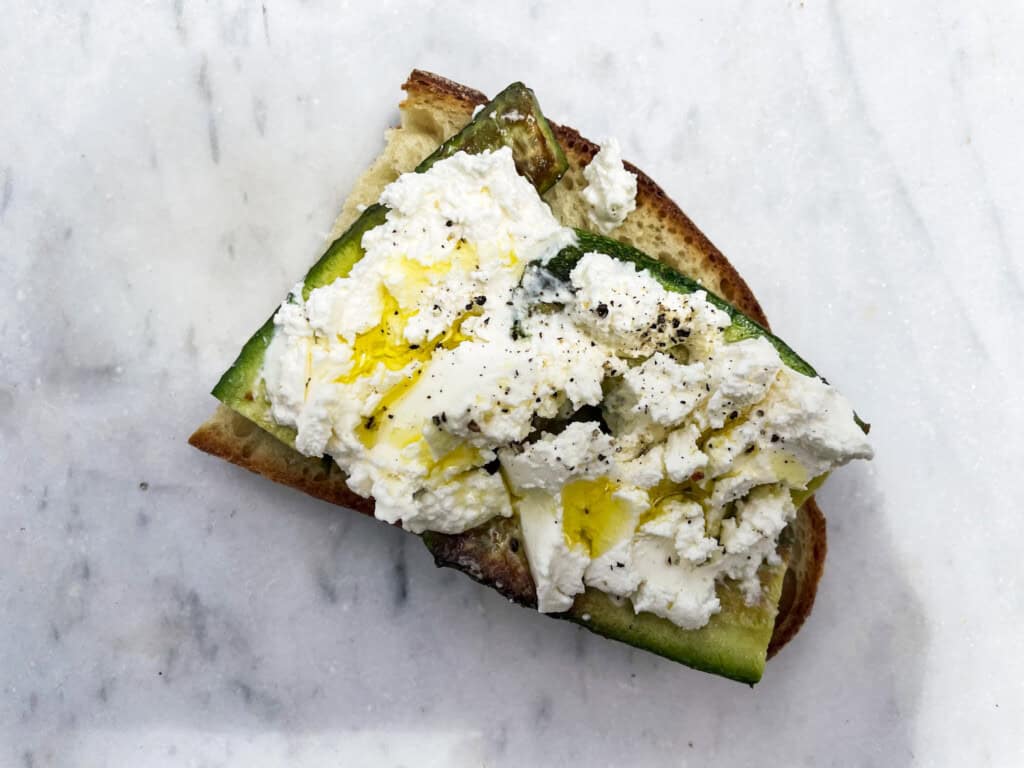
Whether fresh or aged, caprino is a versatile ingredient that adds brightness and creaminess to a variety of dishes. Although not as popular as some other Italian cheeses such as Parmigiano Reggiano and ricotta.
Here are some of my favorite ways to use it:
- Spread on crostini – Fresh caprino with honey, olive oil and/or grilled vegetables
- Crumbled in salads – Perfect with bitter greens, beets, or citrus, including my favorite insalata siciliana
- Melted into risotto or pasta – Stir in fresh caprino at the end for a tangy finish.
- Stuffed into vegetables – fill roasted peppers, zucchini, or mushrooms
- Paired with fruit – Try it with figs and pears for dessert along with other regional cheeses
Tip: Fresh caprino should be served at room temperature or better yet, just slightly chilled. Take it out of the fridge about 1 hour before serving.
Where To Find Caprino Cheese in Italy
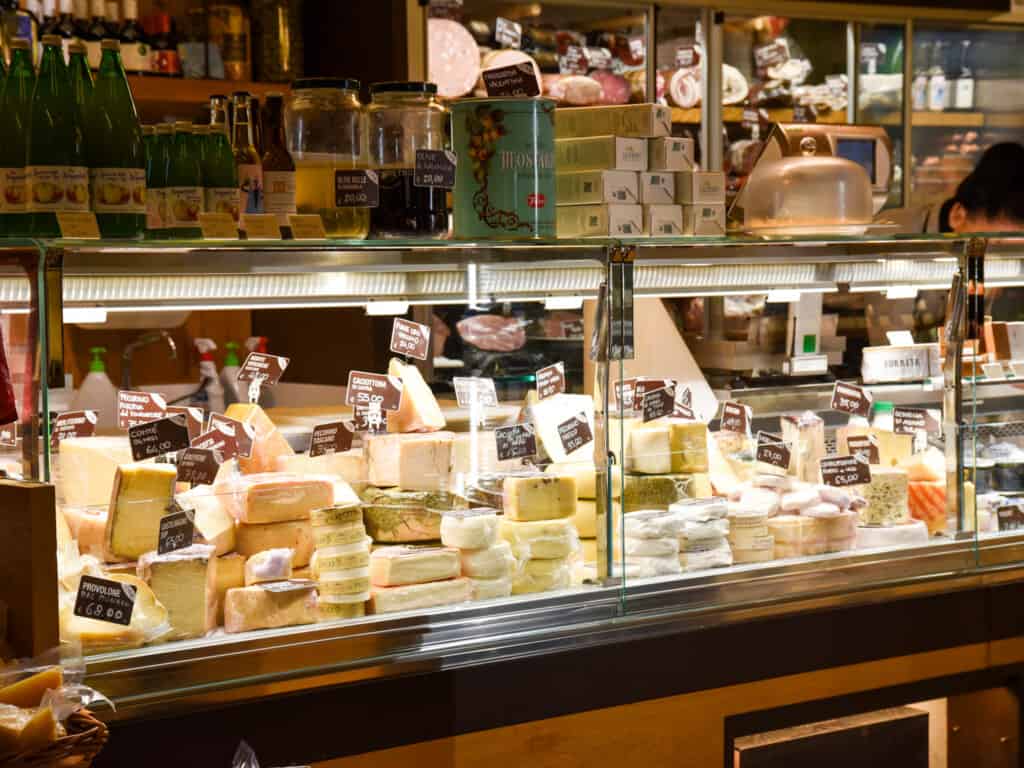
You’ll find caprino throughout all of Italy, but the best varieties come from northern and central regions where goat farming is more common. The best varieties come from open air markets but I have also found locally made cheese at larger supermarkets and small mom and pop grocery stores.
Ask for caprino fresco if you want a creamy, spreadable version, or caprino stagionato for something firmer and more intense.
Bring It Home: You can bring aged vacuum packed aged caprino back home as a food gift or souvenir to most countries. Just check with your country’s most recent custom regulations.
Check out all of my guides to Italian cheeses:
Italian Cheese – All You Need To Know Before Coming to Italy
Mozzarella Types and Shapes + a Mozzarella Imposter
What is Asiago?
What is Burrata?
What is Caprino?
What is Mozzarella di Bufala (Buffalo Mozzarella)?
What is Ricotta Salata?
What is Robiola?
What is Scamorza?
A Guide to Pecorino di Pienza
How to Pronounce Parmigiano
Is Mozzarella Pasteurized In Italy?
Is Ricotta Pasteurized In Italy?