Food tour, cooking class or cooking retreat? If you are planning a food-focused trip to Italy, chances are you have looked at all three and wondered which one is actually worth your time (and your vacation days).
I’m Louisa and I have been living in Tuscany with my family since 2012. Since then I have eaten my way through all 20 regions, taken many cooking classes and been on various food tours, including my favorite of all, the Parmigiano Reggiano, prosciutto and balsamic vinegar tour in Emilia-Romagna. Today, I teach my own culinary cooking retreat in Tuscany in the spring and fall each year.
In this guide, I compare cooking retreats, cooking classes and food tours in Italy side by side so you can choose the right one for you. I’ll cover what each experience really involves, how much time it takes, who it suits best and what to ask before you book. I’ll also share a little about my own Tuscany cooking retreat at Camporsevoli.
Jump to Section
Quick Guide: Cooking Retreat vs. Cooking Class vs. Food Tour
| Experience | Time Needed | Best For | What You Take Home |
|---|---|---|---|
| Food Tour | 2–4 hours | First-time visitors, short city stays, tasting a lot in little time | Local knowledge and a list of places to go back to |
| Cooking Class | Half a day (about 3–6 hours, meal included) | Hands-on learners, families, travelers on a set itinerary | A few recipes and a new skill, like hand-rolling pasta |
| Cooking Retreat | Several days, staying on site | Foodies, slow travelers, anyone wanting full immersion or an all-inclusive package | A repertoire of regional recipes, new skill sets and a real feel for daily Italian life |
What Is a Food Tour in Italy?
Time Needed: 2–4 hours
Where It Works Best: Cities like Rome, Venice, Florence, Bologna and Palermo
Best For: Tasting a wide range of local food quickly
A food tour is a guided walk through a city or food area, stopping at markets, bakeries, wine bars, street food stalls and producers to taste as you go. You don’t cook anything. Your guide does the ordering, explains what you are eating and where it comes from, and ties the food back to the history of the neighborhood.
In Venice, the most popular tours combine the Rialto Market with a crawl through the city’s bacari for cicchetti and small glasses of wine (I list several options in my 2 Day Venice Itinerary for Foodies). In Emilia-Romagna, a tour that takes you inside the dairies, ham producers and vinegar lofts behind the region’s most famous products is, in my opinion, the food tour to book in Italy. It’s also the best introduction to the traditional food of Emilia-Romagna.
Pros: You cover a lot of ground, taste many specialties in one go and get a great orientation on your first day in a new city.
Cons: You won’t learn to cook, the pace can feel rushed and quality varies a lot from one tour to the next.
Good To Know: You don’t always need a guide. In cities with a strong grazing culture, it’s easy to do it yourself. Try my self-guided bacaro tour or my 24 Hour Food Guide for Venice.
What Is a Cooking Class in Italy?

Time Needed: About 3–6 hours, including a meal
Where It Works Best: Anywhere, from city kitchens to farmhouses in the countryside
Best For: Learning one or two classic dishes hands-on
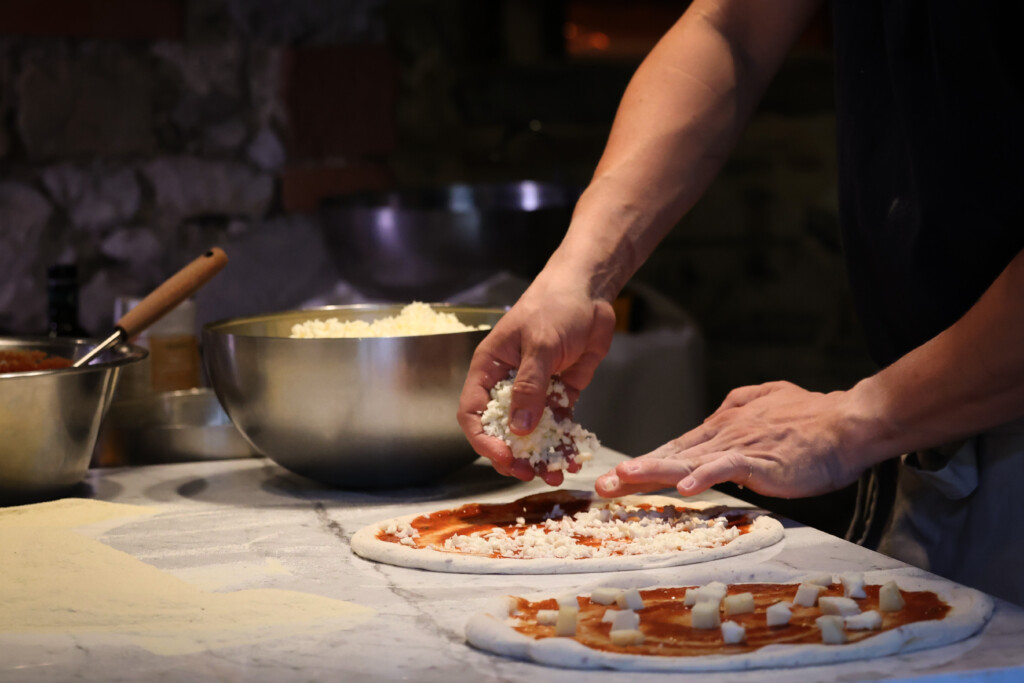
A cooking class is a half-day lesson where you prepare a meal from scratch with a local cook or chef, then sit down to eat it, almost always with wine. Most focus on a regional menu, such as hand-rolled pici in southern Tuscany, orecchiette in Puglia or tagliatelle in Emilia-Romagna. Some start with a trip to the market to shop for ingredients.
The cooking classes in Tuscany I recommend range from a four-hour class and lunch in a family home in Chianti to a six-hour afternoon at a cooking school in Greve, where about two and a half hours are spent cooking and the rest at the table. That’s typical in Italy: the meal is just as much a part of the class as the cooking.
Good To Know: I also teach cooking classes here in Tuscany or can come teach at your villa rental.
Group vs. Private Cooking Classes
Group classes in Italy tend to be small, and many of the ones I have written about cap at around ten people. Private classes cost more but let you set the menu, work around dietary needs and bring the whole family.
Pros: Hands-on, easy to fit into one morning or afternoon, and you leave with recipes you can make at home.
Cons: One menu, one day. You learn a dish or two but not the bigger picture of how Italians shop, cook and eat through the seasons.
Good To Know: If your class starts at a local market, read up on how to shop at markets in Italy beforehand. The biggest rule? Don’t touch the produce!
What Is a Cooking Retreat in Italy?
Time Needed: Several days, staying on site
Where It Works Best: The countryside, especially farms and agriturismi
Best For: Full immersion in regional cooking and rural Italian life
A cooking retreat (sometimes called a culinary vacation or cooking holiday in Italy) is a multi-day stay built around food. You sleep, cook and eat in the same place, usually a farm or country estate, with hands-on lessons spread across your stay. Retreats usually add market visits, wine tastings, time with local producers and long meals together, with free time to relax in between.
The real difference from a class is depth. Over several days you start to understand why Italians cook the way they do. In Tuscany, that means seasonal ingredients, la cucina povera and bread that never goes to waste. You cook a whole progression of dishes, from antipasti to dolci, and see how one meal leads into the next.
What a Retreat Gives You That a Class Can’t
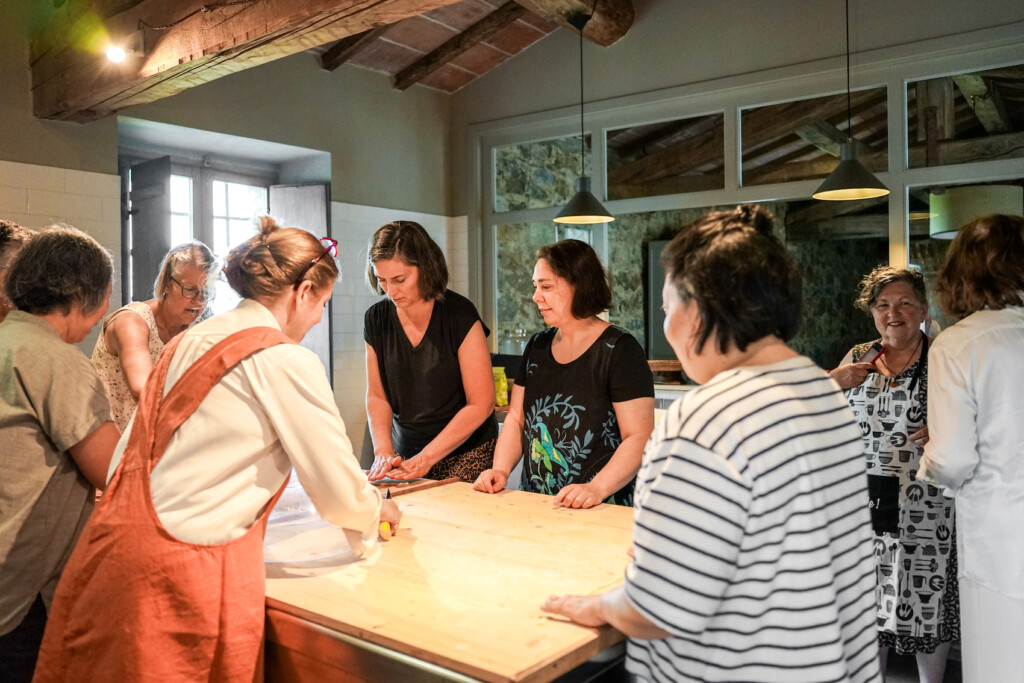
Time: Repetition is how you actually learn and full immersion is key.
Context: You meet the people behind the food, from cheesemakers to winemakers, and see where your ingredients come from.
Season: A retreat can follow the calendar. In the fall, that means the olive harvest, when Tuscans take their olives to the frantoio (olive mill) and celebrate the new oil with the first fettunta.
Rest: No packing up and driving to the next town. Once you arrive, the planning is done for you.
The trade-off is time and budget. A retreat takes up a bigger chunk of your vacation and costs more up front than a single class or tour, although lodging, meals and activities are typically bundled into the price.
Food Tour vs. Cooking Class vs. Cooking Retreat Compared
| Food Tour | Cooking Class | Cooking Retreat | |
|---|---|---|---|
| Time Commitment | 2–4 hours | Half a day | Several days |
| Hands-On Cooking | None | One meal | Lessons throughout your stay |
| Setting | City streets, markets and shops | A home, school or farmhouse kitchen | A farm or estate where you also stay |
| Pace | Fast, with lots of stops | Relaxed, ending with a long meal | Slow, built around Italian meal times |
| What You Learn | What to eat and where | How to make a few dishes | How a region cooks, shops and eats |
| Planning | Book a time slot | Book a time slot | Book once, the rest is organized |
Which One Is Right for You?
Choose a Food Tour If…
You’re short on time: You only have a day or two in a city like Rome and want to try as many typical Roman foods as possible.
You’d rather eat than cook: Tasting is the whole point, and you’re happy to leave the kitchen to someone else.
You want an orientation: A tour on your first day shows you where to come back to for the rest of your stay.
Choose a Cooking Class If…
You want hands-on time without rearranging your trip: A class fits into a single morning or afternoon.
You’re traveling with kids: Pasta-making is easy for small hands, and my own children have been rolling pici for years.
You want a souvenir you’ll actually use: A recipe you can make at home long after your trip.
Choose a Cooking Retreat If…
You love to cook at home: You want to go deeper than one dish and come home cooking differently.
You prefer slow travel: You’d rather settle into one place than rush between cities.
You want the rhythm of Italian life: Markets in the morning, long lunches, aperitivo and dinner served in proper Italian courses.
You are interested in a full package and are less interested in planning: If you are really looking to settle into your vacation and not worry about the headache of planning, a fully planned cooking retreat in Italy is the best fit for you.
My Tuscany Cooking Retreat at Camporsevoli
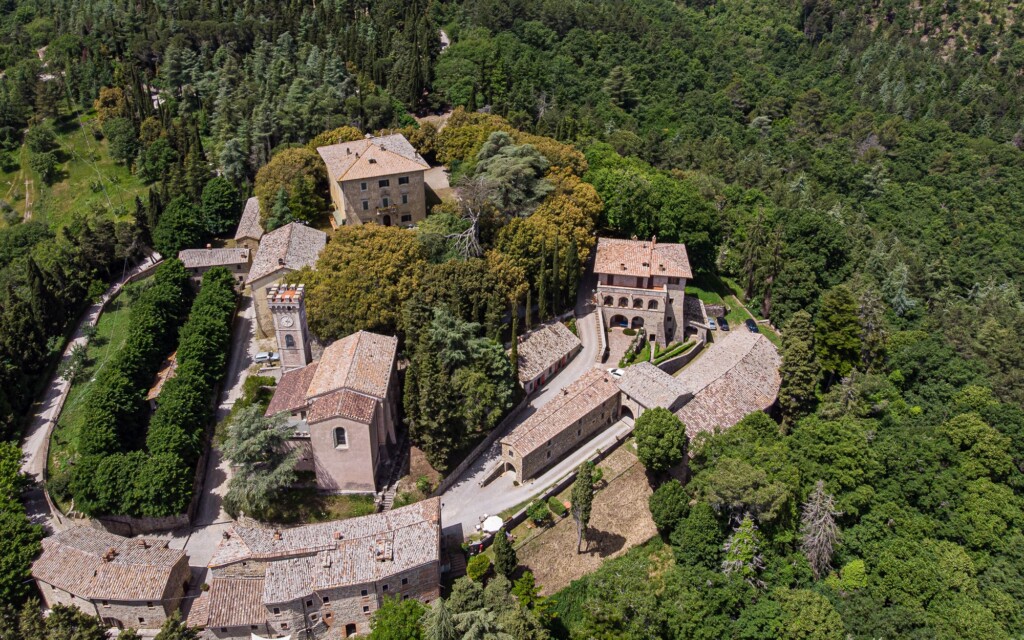
After years of watching guests fall in love with the cooking classes at Camporsevoli, I created a Tuscany cooking retreat for travelers who want more than one afternoon in the kitchen. Camporsevoli is a medieval hamlet (small village) in the hills outside Cetona, on the edge of the Valdichiana and the Val d’Orcia, within easy reach of Montepulciano and Pienza.
The cooking is the food my family actually eats: pici with aglione sauce, seasonal soups, local pecorino di Pienza and olive oil from the trees we harvest ourselves every fall. If you’d rather start smaller, a private class at Camporsevoli is a great way to get a taste.
Tips for Booking a Food Experience in Italy
Check What’s Included: Is wine included? Does the market visit count toward the class time? Is the meal a full lunch or a tasting?
Ask About Group Size: Smaller groups mean more time with your hands in the kitchen.
Mention Dietary Needs Early: Many Italian cooks are happy to adapt for vegetarian, vegan, gluten-free or lactose-free guests, but they need notice.
Book Ahead in Spring: Tuscany gets very busy around springtime, and small classes fill up quickly.
Think About the Season: Fall brings new olive oil, chestnuts and porcini (see my favorite fall foods in Italy), while spring is more geared to fresh produce.
Leave Room in Your Suitcase: You’ll want space for food souvenirs from Tuscany.
Frequently Asked Questions
Is a cooking class in Italy worth it?
Yes, if you want to understand Italian food beyond restaurant menus. You come away with recipes you can recreate at home and a long meal shared with locals, which is often the part people remember most. Choose a class that teaches the regional dishes of the area you are visiting. Y
How long is a typical cooking retreat in Italy?
Most cooking retreats in Italy last several days, giving you time for multiple hands-on lessons as well as market visits, tastings and free time. Before booking, check exactly how many cooking sessions are included and what else fills the days.
Are cooking classes in Italy suitable for kids?
Many are, especially pasta-making classes, since rolling dough is simple and fun for small hands. Always ask whether children are welcome and from what age. Some classes, like the pici class at Camporsevoli, are designed with families in mind.
Can I take a cooking class in Italy with dietary restrictions?
Usually, yes. Many Italian cooking classes can adapt their menus for vegetarian, vegan, gluten-free or lactose-free diets, especially private classes where you choose the menu. Mention your needs when you book, not on the day.
What is the best time of year for a culinary trip to Italy?
Every season has something to offer, but fall is hard to beat for food lovers, with the grape harvest followed by the olive harvest from about mid-October to late November, plus chestnuts and mushrooms. Spring is lovely too, with fresh pecorino eaten with raw fava beans. Just keep in mind that some cooking schools only run classes from spring through fall.
More on Food Experiences in Tuscany: Montepulciano Vineyards You Should Visit | Top Markets in Tuscany | What to Eat in Southern Tuscany
Eating in Italy Basics: 10 Rules for Shopping at Markets in Italy | The Ultimate Italian Street Food Guide