When people ask me what to expect on a cooking retreat in Tuscany, my answer is more than you’d expect. You won’t spend the week shut in a kitchen, and you won’t be rushed from one sight to the next. The days settle into a rhythm any Tuscan would recognize: a morning out with the people who make our food, a long lunch, an afternoon at the stove and a dinner that runs late.
Ciao! I’m Louisa and I first came to Italy at 19 to work on Italian farms and have lived in southern Tuscany with my family since 2012.
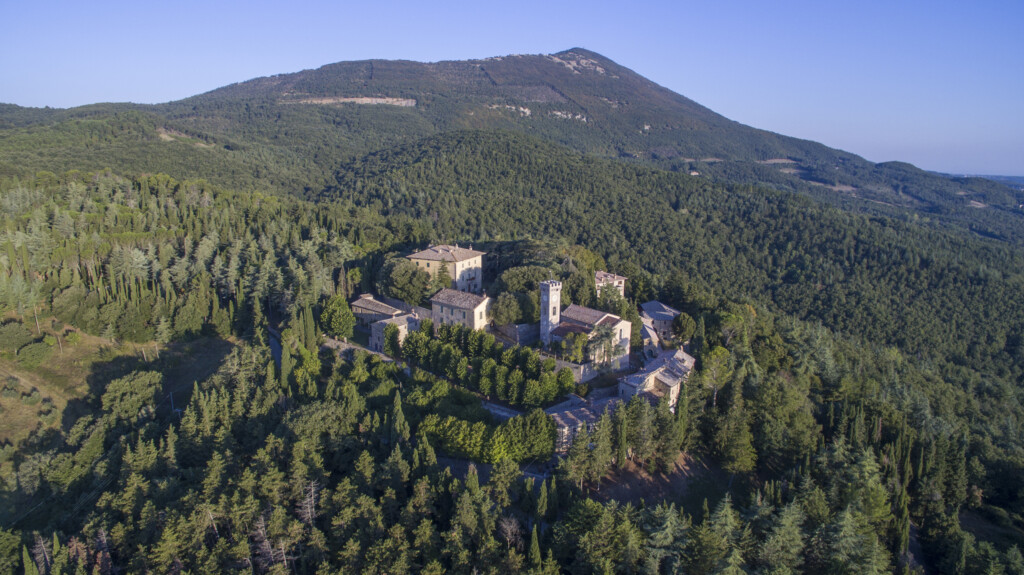
In this article, I walk you through my Cultural Cooking Retreat one day at a time, so you know exactly what to expect on a cooking retreat in Tuscany. The retreat runs for 7 days and 6 nights at Camporsevoli, a private medieval hamlet on the slopes of Monte Cetona, about 1 hour 45 minutes from Florence and 1 hour 50 minutes from Rome. There are never more than 12 guests, and every class is hands-on.
Note: This is a sample itinerary and is subject to change based on the season.
Jump to Section
Quick Guide to the Tuscany Cooking Retreat
| Day | Morning | Afternoon & Evening | Good To Know |
|---|---|---|---|
| Day 1 (Saturday) | Arrival at Chiusi-Chianciano Terme station (pickups 12:00–6:00 pm) | Welcome cocktail and first Tuscan dinner | No cooking today |
| Day 2 (Sunday) | Truffle hunting with trained dogs | Truffle lunch, then first cooking class | Wear sturdy shoes |
| Day 3 (Monday) | Pecorino cheesemaking in Sarteano | San Casciano dei Bagni view, traditional Tuscan cooking class | Most hands-on day |
| Day 4 (Tuesday) | Open-air market in Chianciano | La Foce gardens, market cooking class, dinner outdoors | We shop for ingredients for our cooking class |
| Day 5 (Wednesday) | Guided food tour of Siena | Free afternoon in Siena, pizza party | Most walking |
| Day 6 (Thursday) | Winery tour in Montepulciano | Homemade pici class and final dinner | Slow start (breakfast at 9:00) |
| Day 7 (Friday) | Farewell breakfast | Transfer to Chiusi-Chianciano Terme station | Trains to Florence and Rome |
For dates, rooms and booking, see my Tuscany cooking retreat page.
The Italian Cooking Vacation at a Glance
Where: Camporsevoli, near Cetona, overlooking the Val d’Orcia and Valdichiana
When: May and October
Group Size: Up to 12 guests
Cooking: Daily hands-on cooking classes in Tuscany, plus a pizza party
Excursions: Truffle hunting, cheesemaking, an open-air market, La Foce gardens, a Siena food tour and a Montepulciano winery
Getting There: Train to Chiusi-Chianciano Terme, where you are picked up by private transfer
Price: From $4,495 per person (double occupancy)
Day 1 (Saturday): Arrival in the Tuscan Countryside
Your cooking holiday in Italy starts when you arrive at Camporsevoli. Between 12:00 and 6:00 pm, guests are collected by private transfer, so you can arrive on whichever train suits your journey. You won’t need a rental car at any point in the week.
The drive up to Camporsevoli winds through vineyards and olive groves before the hamlet appears, a cluster of stone farmhouses on the hillside. You’ll check in, unpack and have time to wander.
At 6:00 pm we gather for a welcome cocktail and a tour of the property: the professional kitchen, the living room and the Granaio, the old grain barn that is now our dining room. I’ll talk you through the week ahead, and at 7:30 pm we sit down to our first traditional Tuscan dinner together.
Good To Know: Nobody cooks on day one. It’s about arriving, meeting the group and getting a first taste of convivialità, the Italian art of coming together around a table.
Day 2 (Sunday): Truffle Hunting in Tuscany and Your First Cooking Class
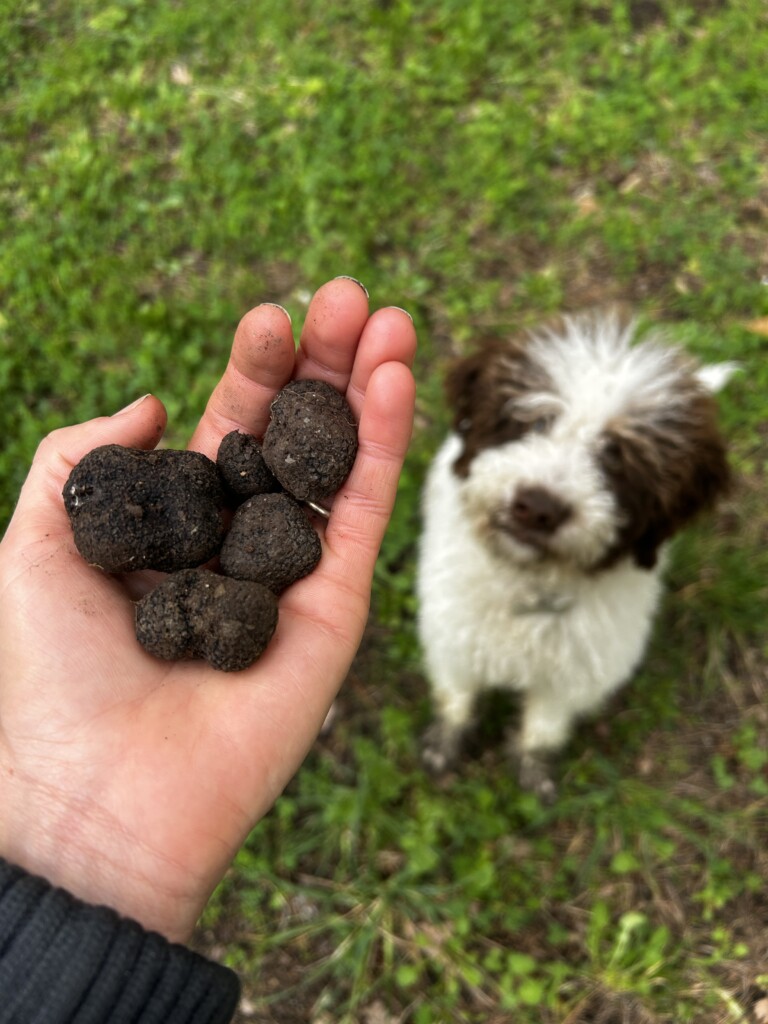
Breakfast: 8:00 am
Morning: Truffle hunting near Monteleone d’Orvieto (Umbria)
Lunch: Truffle lunch at Seven restaurant, 1:00 pm
Cooking Class: 4:00 pm, followed by dinner at 7:00 pm
By 9:00 am we’re on our way to go truffle hunting. Watching a good truffle dog work is one of my favorite moments of the week. You’ll learn where truffles grow, how hunters read the land and why the aroma fades so quickly once a truffle is out of the ground. If you want the background before you come, read my guide to truffles in Italy.
Back at Camporsevoli, our first class starts with the foundations of Tuscan cooking, using recipes from our family’s unpublished five-volume cookbook, handed down through generations. Dinner is in the Granaio, where we eat what we’ve made.
Good To Know: The walk is on uneven woodland ground, so bring sturdy, closed shoes.
Day 3 (Monday): Pecorino Cheesemaking and a Traditional Tuscan Cooking Class
Breakfast: 8:00 am
Morning: Cheesemaking demonstration at Caseificio Più in Sarteano
Lunch: At the dairy, 1:00 pm
Cooking Class: Traditional Tuscan cooking
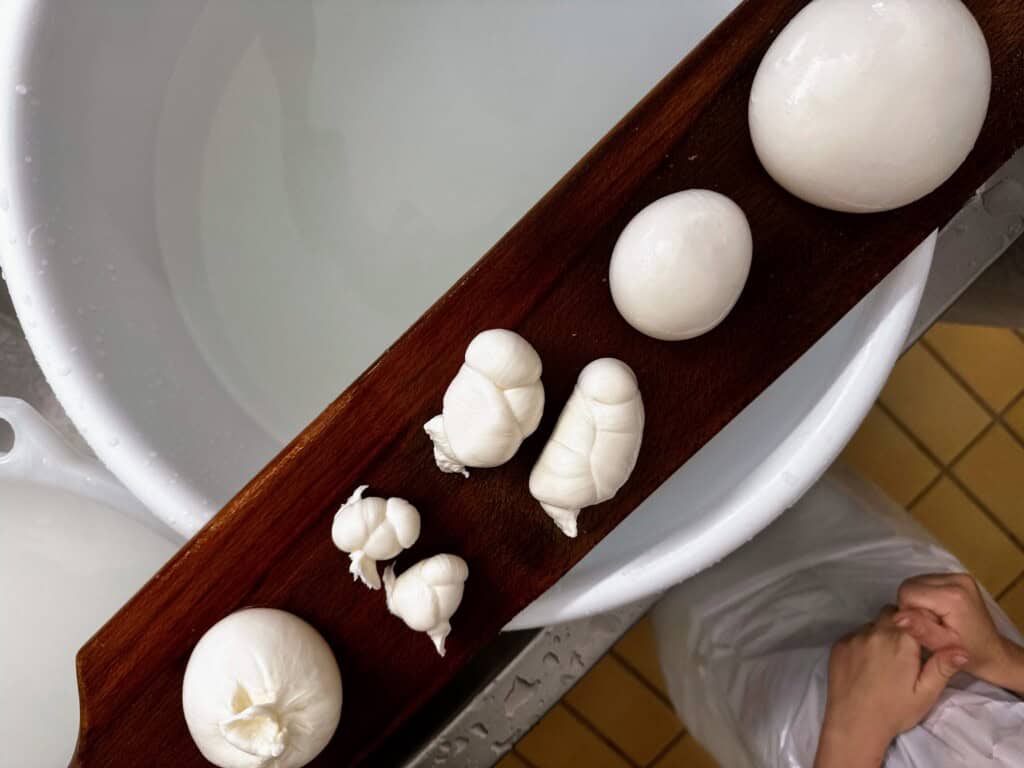
We drive by coach to Sarteano to watch sheep’s milk become pecorino, the cheese southern Tuscany is known for. You’ll taste how the flavor changes from fresh to aged, which makes my guide to pecorino di Pienza and Italian cheese basics much easier to put into practice when you’re shopping at home. Lunch is at the dairy, so the cheese couldn’t be fresher.
On the way home at 4:00 pm, we stop at the panoramic terrace in San Casciano dei Bagni, a hilltop village known for its thermal springs and one of the best views over the Val d’Orcia.
Back in the kitchen, the traditional Tuscan cooking class shows you why Tuscan food is so often described as cucina povera: few ingredients, chosen well and treated with care.
Day 4 (Tuesday): Market Morning and the Gardens of La Foce

Breakfast: 8:00 am
Morning: Open-air market in Chianciano, 9:00 am
Midday: Tour of the La Foce gardens, 12:00 pm, then lunch at Dopolavoro, 1:00 pm
Cooking Class: Market cooking class, 5:00 pm
The market is everyday Italian life: locals buying vegetables, cheese and porchetta, and stopping to chat with stallholders they’ve known for years. We shop together for that afternoon’s class. If markets are your thing, my guide to the top markets in Tuscany and my tips on how to shop at markets in Italy will come in handy for the rest of your trip.
From there we go to La Foce in the Val d’Orcia, the estate Iris Origo and her husband Antonio bought in 1924. Its gardens, designed by the English architect Cecil Pinsent, look out over one of Tuscany’s most photographed views. Lunch is just down the road at Dopolavoro La Foce, one of my favorite restaurants in southern Tuscany.
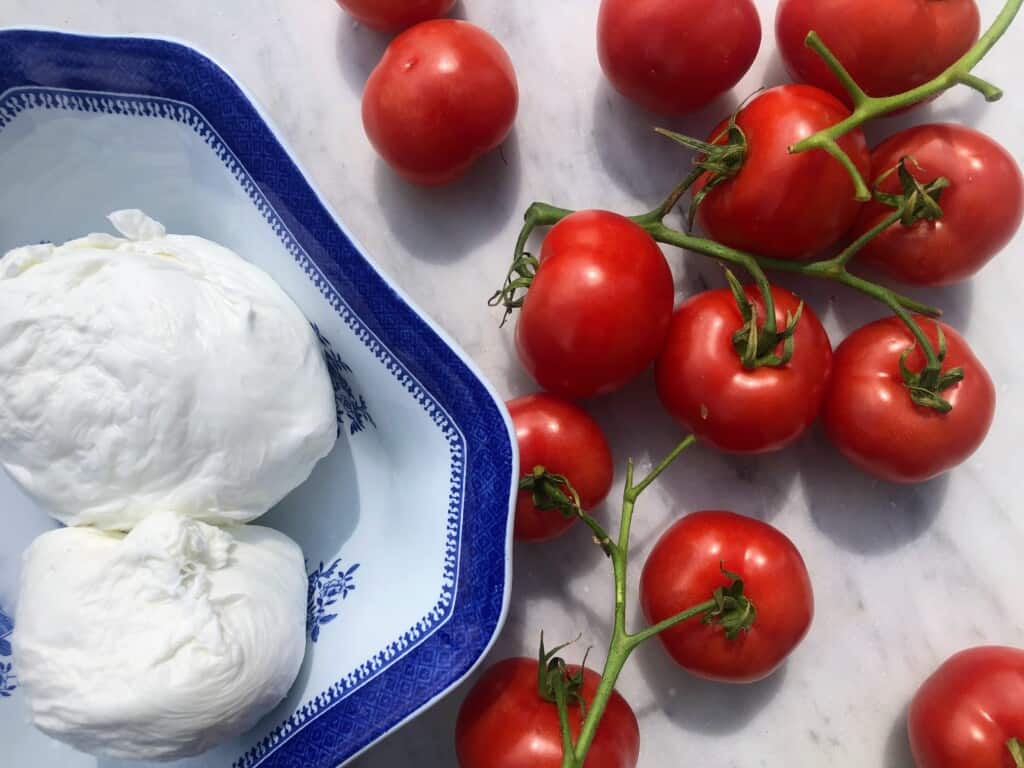
In the late afternoon, we turn the market finds into a meal. This class shows how Italians really cook: you start with what looks best that day, not a fixed shopping list.
Day 5 (Wednesday): Siena Food Tour
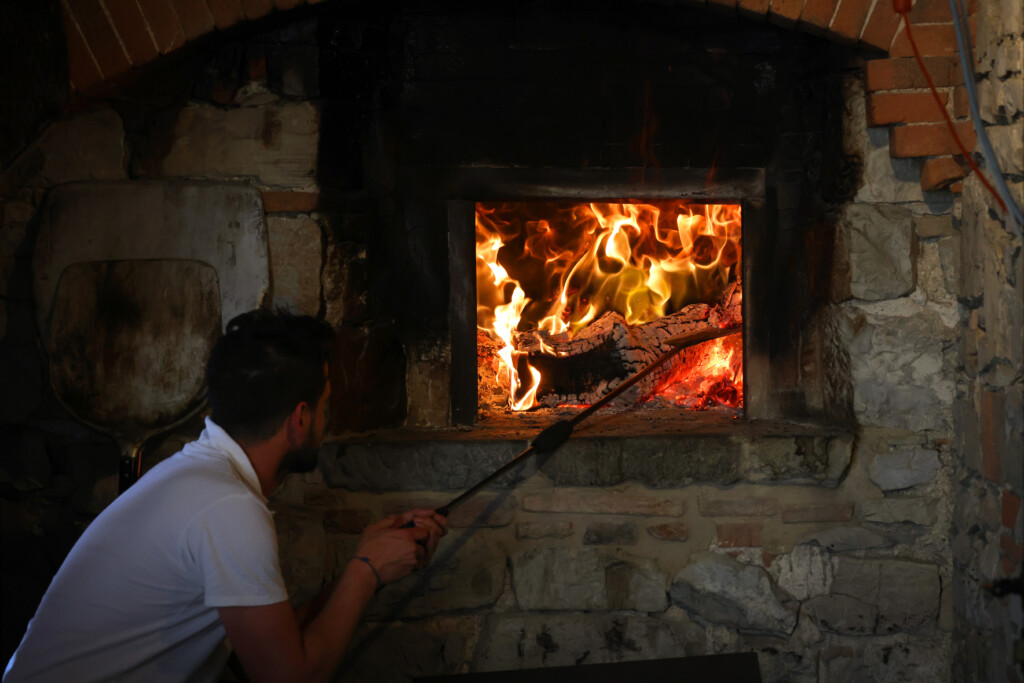
Breakfast: 7:00 am
Morning: Coach to Siena at 8:00 am and guided food tour
Lunch: Taverna del Capitano, 1:00 pm
Evening: Pizza party in the Granaio, 7:30 pm
Our guided food tour takes us through the medieval city’s streets, shops and food traditions. Think panforte, ricciarelli almond cookies and cured meats from Cinta Senese, the local heritage pig. Lunch is at Taverna del Capitano, one of my favorite Siena restaurants for lunch.
After lunch the afternoon is yours. Sit in Piazza del Campo, visit the cathedral or go shopping before we meet again at 5:30 pm for the coach home. That evening is pizza night.
Good To Know: This is the longest day of the week, with the most walking on hills and cobblestones.
Day 6 (Thursday): Montepulciano Winery Tour and Pici Pasta Class

Breakfast: 9:00 am
Morning: Winery tour in Montepulciano, leaving at 10:00 am
Lunch: Typical Tuscan restaurant in Montepulciano, 1:00 pm
Cooking Class: Homemade pici, 4:30 pm, followed by our farewell dinner
Montepulciano is home to Vino Nobile di Montepulciano, made from at least 70% Sangiovese and aged for a minimum of two years. You’ll go down into a cellar, learn how the wine is made and taste it with the people who make it. My guide to Montepulciano wineries and my list of things to do in Montepulciano are useful if you want to come back on your own.
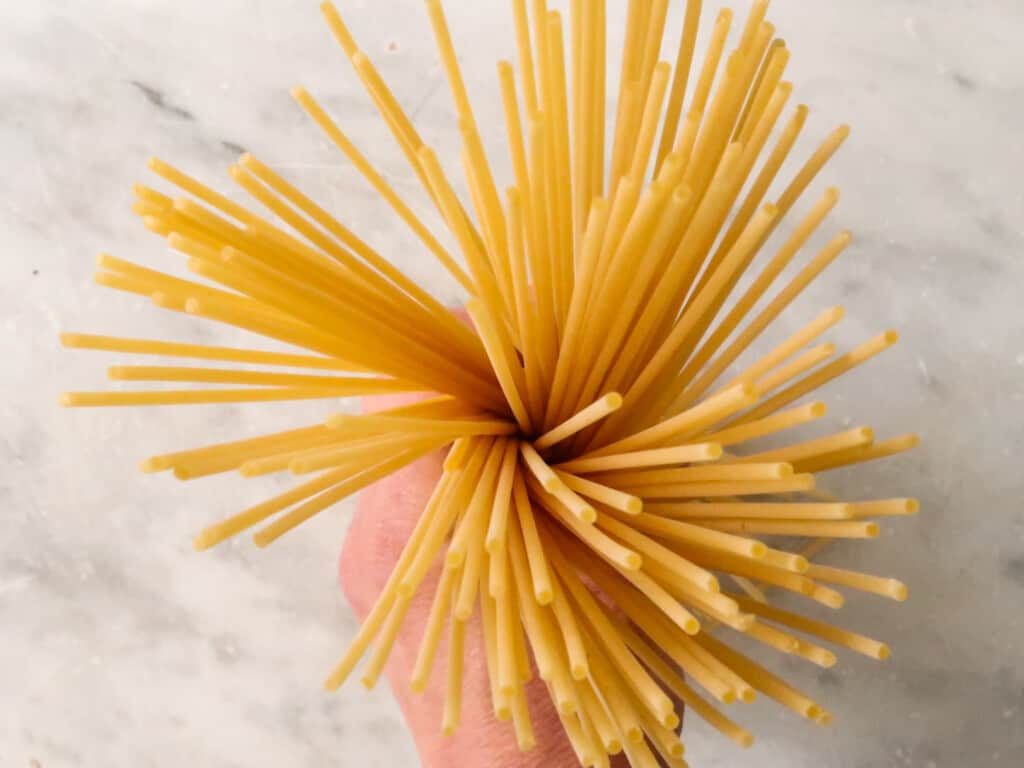
Back at Camporsevoli, it’s the class many guests remember most. Pici is the thick, hand-rolled spaghetti of southern Tuscany, traditionally made with just flour and water (I add an egg to mine at home). Once you get the hang of rolling it, you’ll be making it for years. We serve it the local way with aglione, the slow-cooked garlic and tomato sauce of the Valdichiana. You can practice at home with my pici pasta recipe and aglione sauce recipe.
Day 7 (Friday): Farewell Breakfast at Camporsevoli
We gather one last time at 9:00 am for breakfast in the Granaio. After that, a private transfer takes you back to Chiusi-Chianciano Terme station, where trains run to Florence, Rome and beyond. I’m always happy to help you plan the next leg of your trip.
You leave with recipes you can cook at home, ingredients you know how to choose and, quite often, new friends from around the table.
A Typical Day on the Italian Cooking Vacation
Most days follow the same easy pattern, which is what makes this a slow-travel week rather than a tour. It also follows the traditional Italian meal structure, so you live the way Italians eat.
Morning: Breakfast, then a food or wine outing with a local producer
Midday: A long lunch at a favorite local restaurant or at the producer’s table
Afternoon: A hands-on cooking class in our professional kitchen
Evening: Aperitivo, then dinner together around the table
Good To Know: The order of excursions may change with the season and the producers’ schedules. Truffles, olive oil harvest, cheese making and markets follow nature’s calendar, not ours.
What to Pack
Bring comfortable, closed walking shoes for the woods and cobbled streets and layers for cool mornings and evenings in the hills. Once you book, you’ll receive a full welcome guide with packing tips and travel advice.
With only 12 places per retreat, spots do fill, so check availability for the Tuscany cooking retreat or, if a full week isn’t possible, look at our private cooking classes in Tuscany.
Frequently Asked Questions
Do I need cooking experience to join a cooking retreat in Tuscany?
No. The classes suit every level, from first-time cooks to professionals, and every dish is taught step by step. Every class is hands-on, so you cook rather than watch.
Do I need a car for the retreat?
No. All transport during the week is included, including private transfers to and from Chiusi-Chianciano Terme station. Chiusi is on the main rail line between Florence and Rome.
Can the retreat accommodate dietary restrictions?
Yes. Vegetarian, vegan and gluten-free meals can be arranged with advance notice. The kitchen is not gluten-free, so cross-contamination is possible.
How many people are on the retreat?
No more than 12 guests. A small group means everyone has a place at the counter and at the table, and the producers can answer everyone’s questions.
How much does the Tuscany cooking retreat cost?
The 2027 retreat starts from $4,495 per person, based on double occupancy. A 30% deposit holds your place, and full details on what’s included are on the retreat page.