A week-long cooking retreat in Tuscany is a big investment of both money and vacation days, so it’s fair to ask whether it’s really worth it.
I’m Louisa, and I have lived in southern Tuscany with my family since 2012, all the while cooking, writing about and eating my way Italy’s beloved food culture.
The short answer: a cooking retreat in Tuscany is worth it if you want to learn how Italians cook and why, not just eat well on holiday. If you mainly want to be wined and dined, relax by a pool or watch a chef cook for you, your money will go further elsewhere.
Jump to Section
Quick Guide: Is a Cooking Retreat in Tuscany Worth It for You?
| What You Get | Why It’s Worth It | Worth It If You… |
|---|---|---|
| Daily hands-on cooking classes | Technique sticks when you cook it yourself, several times | Want to cook Italian food at home, not just eat it |
| Visits to local producers | You meet the people behind the cheese, wine and truffles | Are curious about where Italian food comes from |
| Seasonal, local ingredients | You learn to cook the way Italians actually do | Care about the Slow Food way of eating |
| Transport and lodging planned for you | No driving, no logistics, more time to enjoy | Would rather not rent a car in the countryside |
| Shared meals in a small group | Convivialità at the table every night | Enjoy meeting people, or are traveling solo |
| Recipes to take home | The experience lasts long after the trip | Want a souvenir you’ll use for years |
What a Week on a Tuscany Cooking Retreat Actually Looks Like
Every cooking retreat in Italy is different but most are about a week. Here is exactly what my cooking retreat in Tuscany includes, so you know what a week really involves.
Length: 7 days and 6 nights, Saturday to Friday.
Group Size: A maximum of 12 guests.
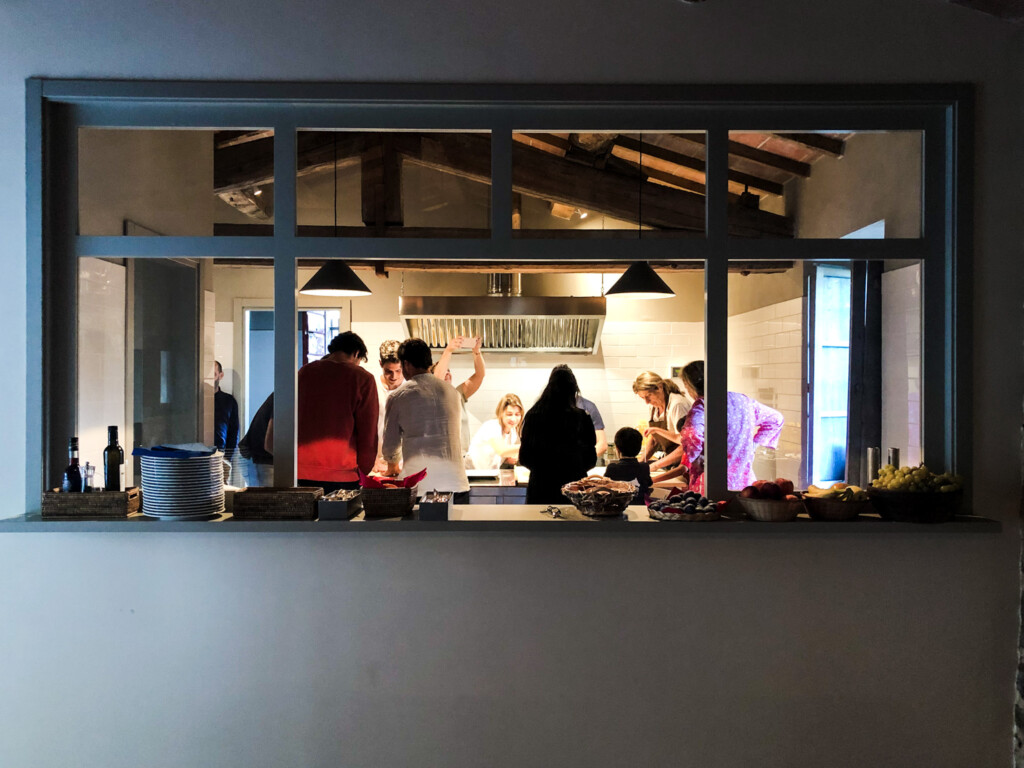
Cooking: Hands-on cooking classes in a professional kitchen, each ending with a full-course dinner, plus a pizza party night.
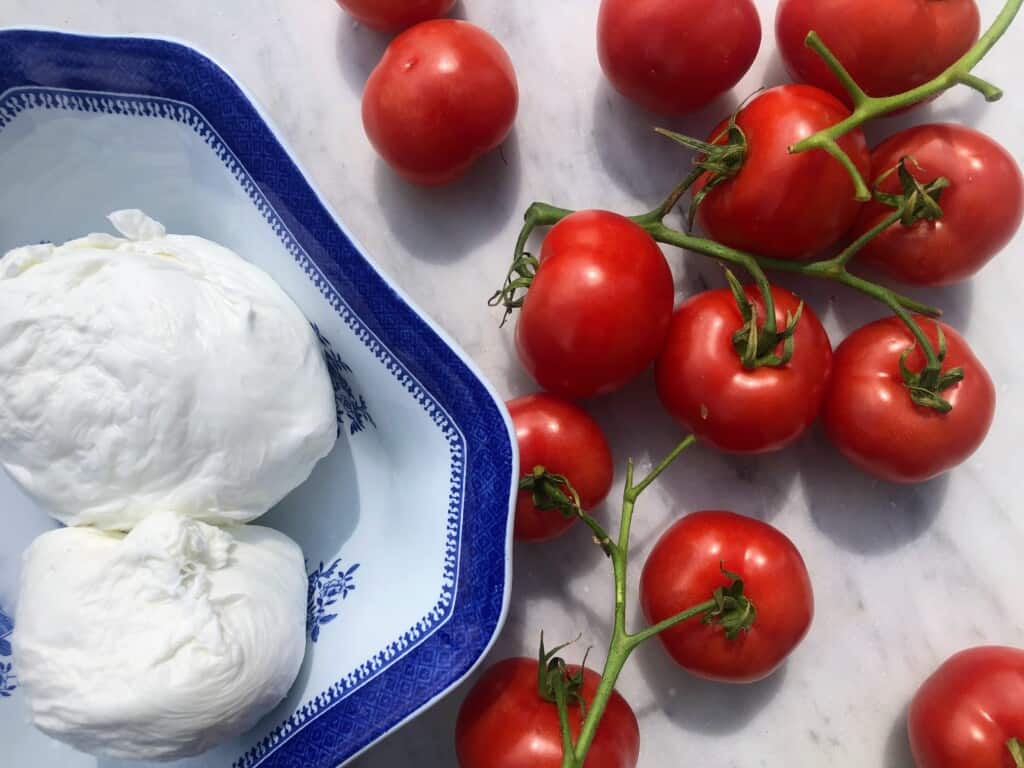
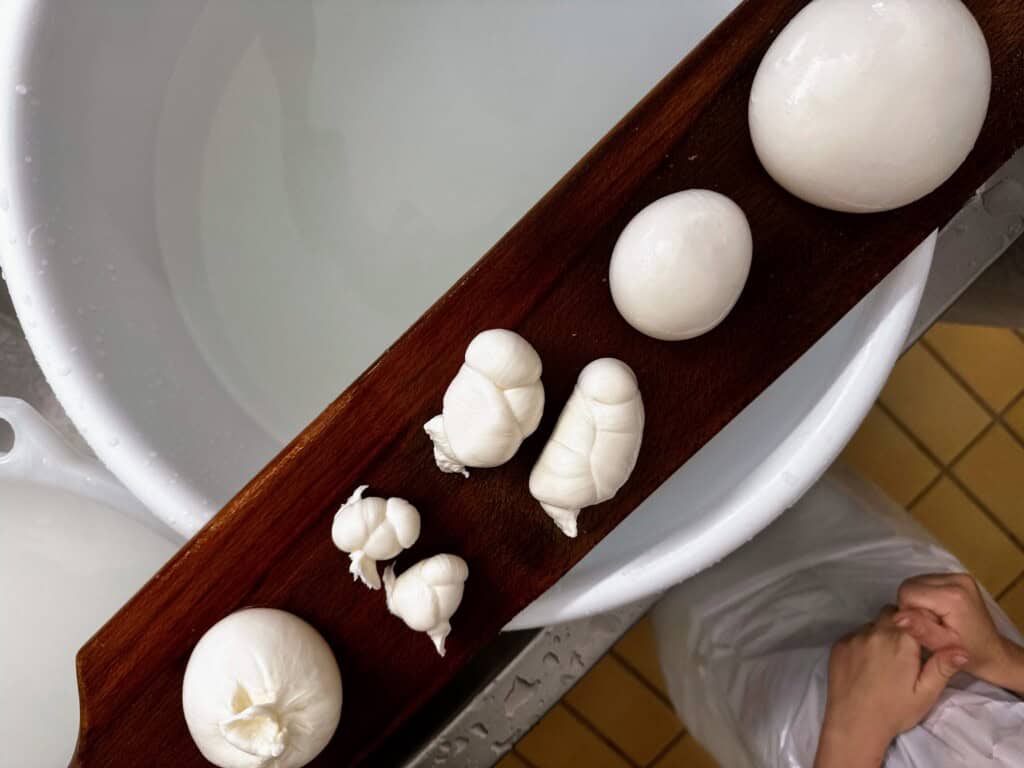
Excursions: Daily food and wine experiences, including a truffle hunt with lunch, a cheesemaking demonstration and tasting at a dairy in Radicofani, a guided wine tasting and cellar visit in Montepulciano, an open-air market tour, a full foodie day in Siena and a guided visit to the gardens of La Foce in the Val d’Orcia.
Meals: Daily breakfast, a welcome aperitivo and dinner, and daily lunches at local Tuscan restaurants.
Getting Around: Daily private transport, plus pickup and drop-off at Chiusi-Chianciano Terme train station. You don’t need a rental car.
A Typical Day: Breakfast in your farmhouse, then around 9:30 a.m. we head out for a food-focused morning, followed by lunch at a favorite local restaurant. Afternoons are free until the cooking class starts, usually around 4 p.m. We stop for an aperitivo and sit down to eat what we’ve cooked together around 7:30 p.m.
Why a Cooking Retreat in Tuscany Can Be Worth It
You Learn by Doing, Not Watching
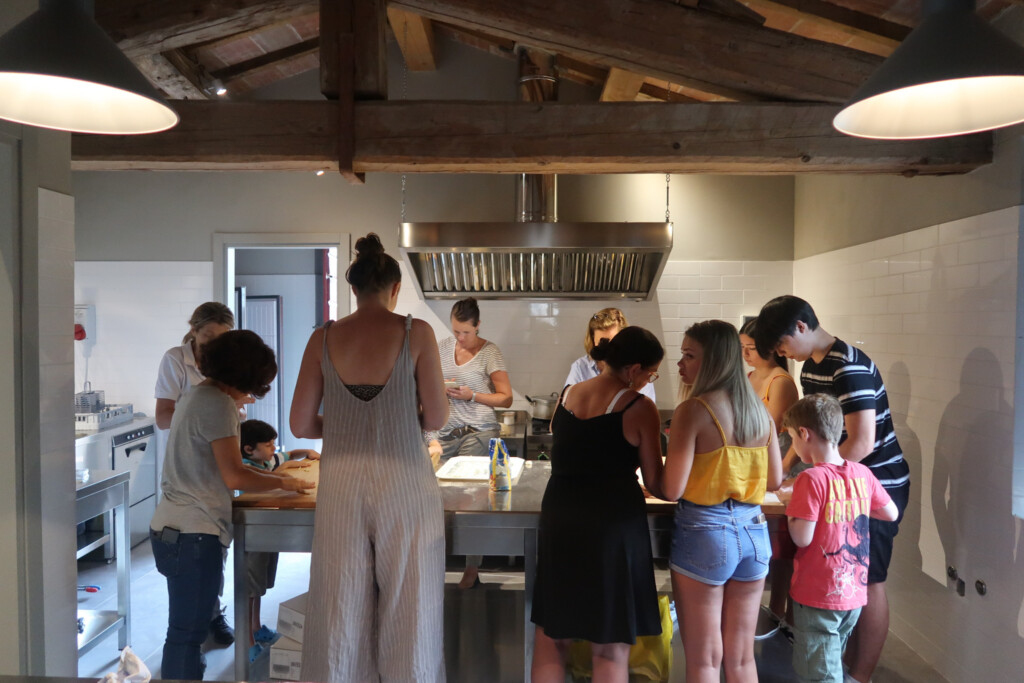
The biggest difference between a good cooking retreat and a nice dinner out is that you leave knowing how to make the food yourself. On my retreat, everyone cooks at every class. This is something you should look for if shopping around – you want to be getting your hands dirty, not watching! You roll your own pici, make the sauce and taste as you go.
You Meet the People Who Make the Food
Tuscan food makes much more sense once you have met the people behind it. Watching cheese being made and then tasting it with the cheesemaker teaches you more about Tuscan pecorino than any label could. The same goes for walking a market with someone who shops there every week, or following a truffle dog through the woods before a truffle lunch.
These are relationships I have built over years of living and working in southern Tuscany, and many of these doors simply aren’t open to someone driving through on their own.
Somebody Else Handles the Logistics
The southern Tuscan countryside is beautiful, but it is spread out. Visiting a dairy, a winery in Montepulciano, a market and Siena in one week usually means a rental car, narrow roads, parking and a designated driver who can’t enjoy the wine. On a retreat, transport is included, so everyone can relax at the tasting.
You Cook Seasonally, the Way Italians Do
A good cooking retreat should cook seasonally, not from a fixed menu that is repeated month after month. What we cook on the Eating Around Italy cooking retreat depends on what’s good that week, sourced from local farmers, butchers, cheesemakers and olive oil producers. That is the Slow Food philosophy I studied years ago and still live by, and it’s the heart of why Italians eat seasonally.
The Recipes Come Home With You
The recipes we cook come from our Tuscan family’s unpublished five-volume cookbook, passed down through generations. They’re chosen so you can make them at home with ingredients you can find wherever you live. A week of good meals is lovely, but a recipe you cook for your family for years is the part that really pays for itself.
The Table Is the Point
Every day ends around the table with the food we’ve made, local Tuscan wine and good conversation. Italians call this convivialità, and for many people it’s the part of the week they remember most, especially solo travelers who would otherwise be eating dinner alone.
The Honest Downsides
No trip is right for everyone, so here is what to weigh before you book.
It Isn’t Cheap
Retreats often cost around $5,000. That price of an Italian cooking retreat usually covers lodging, classes, excursions, most meals and transport, but it doesn’t include flights, airport transfers or travel insurance.
Whether that is good value depends on how you would otherwise spend the week. If you would book these experiences anyway, the retreat brings them together with someone who knows the producers personally and you don’t have to lift a finger in terms of planning.
You Will Be on Your Feet
Cooking classes mean several hours standing in the kitchen, and excursions involve walking through markets, cellars, gardens and village streets. If standing for long periods is hard for you, a week of this can be tiring.
There Is a Schedule
A retreat runs on a plan. Most days you will have a morning outing and an afternoon class, with perhaps free time in between. If you like to wake up and decide what to do, a structured week may feel restrictive.
You Share the Week With a Small Group
You will cook and eat with people you have just met. For most guests, that is half the fun. If you prefer to travel only with your own group, a private class is a better fit.
The Kitchen Isn’t Gluten-Free
In most cooking retreats, vegetarian, vegan and gluten-free meals can be arranged with advance notice. However, flour is everywhere in a pasta kitchen and cross-contamination is possible, so it’s not a safe choice for anyone who needs a fully gluten-free environment. My guide to eating gluten-free in Italy has more on this.
Who This Cooking Retreat Is Not For
I’d rather tell you now than have you disappointed in Tuscany. Most cooking retreats probably aren’t for you if:
You Want to Be Wined and Dined: There is plenty of good food and wine, but you cook for most of your dinners. If you’re picturing a week of being served at fancy restaurants, this isn’t it.
You’d Rather Watch Than Cook: This isn’t a demonstration-style retreat. Everyone gets their hands in the dough at every class.
You Can’t Be on Your Feet for Several Hours: Classes and excursions involve a lot of standing and walking.
You’re Looking for a Luxury Resort: Comfort matters, but there’s no spa, and the focus is on learning and taking part.
You Need a Gluten-Free Kitchen: We can adapt meals, but we can’t rule out cross-contamination.
Who Will Love It
On the other hand, a cooking retreat in Tuscany is a great fit if you are:
A Curious Home Cook: Whether you’re a beginner or a confident cook, you want to understand why Italians cook the way they do.
A Solo Traveler: You want company at the table and a week that is planned for you.
A Couple, Friends or Family: You want to share a hands-on experience together.
A Food-Focused Traveler: You would rather visit a dairy or a market than queue for a museum.
Someone Who Doesn’t Want to Drive: You’d like to see southern Tuscany without renting a car.
Not Ready for a Full Week?
If a week doesn’t fit your trip this time, I also teach private cooking classes in Tuscany at Camporsevoli or in your own villa or rental, where we cook a full Tuscan meal together and sit down to eat it.
Frequently Asked Questions
How much does a cooking retreat in Tuscany cost?
My 2027 Tuscany cooking retreat is $4,495 per person in a double room or $4,995 in a single room, covering 6 nights’ lodging, four cooking classes, six excursions, most meals and transport.
When is the best time for a cooking retreat in Tuscany?
Spring and early fall are ideal, with mild weather and plenty of seasonal produce. That’s why my 2027 retreats run in May and September.
Do I need a car for a cooking retreat in Tuscany?
Not for mine. Daily transport is included, along with pickup and drop-off at Chiusi-Chianciano Terme train station, which is easy to reach by train from Florence or Rome.
Can I join a cooking retreat in Tuscany on my own?
Yes. Solo travelers are very welcome, and a small group means you will always have company at the table. Single rooms are available at $4,995 per person.
Where is the Camporsevoli cooking retreat located?
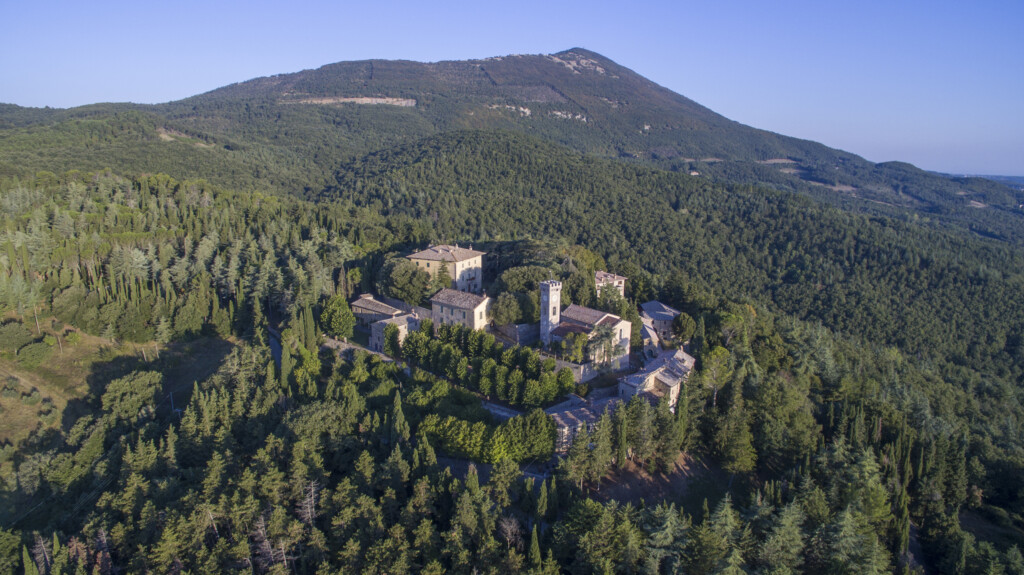
Camporsevoli is a private medieval hamlet on the slopes of Monte Cetona in southern Tuscany, overlooking the Val d’Orcia and Valdichiana. It’s about 1 hour 45 minutes from Florence and 1 hour 50 minutes from Rome. Read my guide to Cetona to learn more about the area.
In Sum
So, is a cooking retreat in Tuscany worth it? If you want to roll up your sleeves, meet the people who grow and make Italian food, and go home able to cook it yourself, I truly believe it’s one of the best ways to spend a week in Italy. If you would rather be served, sightsee at your own pace or stay off your feet, you will be happier with a hotel and a great list of restaurants, and that’s perfectly fine too.
If it sounds like the right fit, you can find the 2027 dates and full details on my Tuscany cooking retreat page. Spots are limited to 12 guests per week. And if you’re still on the fence, get in touch. I’m always happy to help you decide whether it’s right for you.
Planning a trip to southern Tuscany? What to Eat in Southern Tuscany | My Favorite Restaurants in Southern Tuscany | Montepulciano Wineries | San Casciano dei Bagni
Cook Tuscan at home: Pici Pasta Recipe | Aglione Sauce Recipe | Traditional Tuscan Food | Food Souvenirs from Tuscany | How to Choose a Cooking Retreat in Italy
Visiting Siena on your trip? Foods to Try in Siena | Siena Restaurants for Lunch