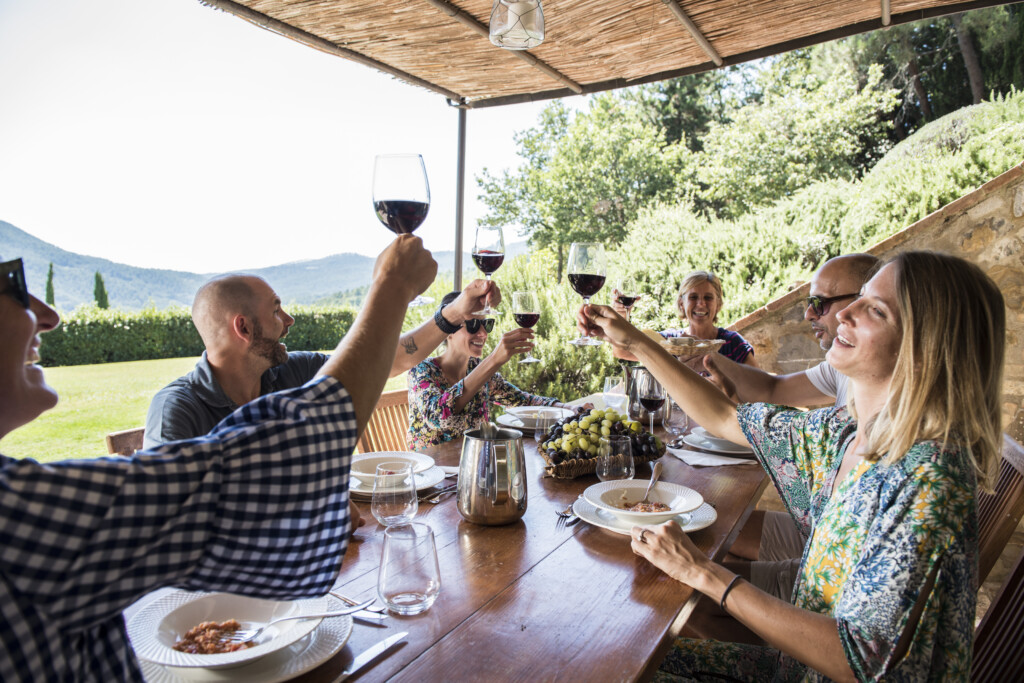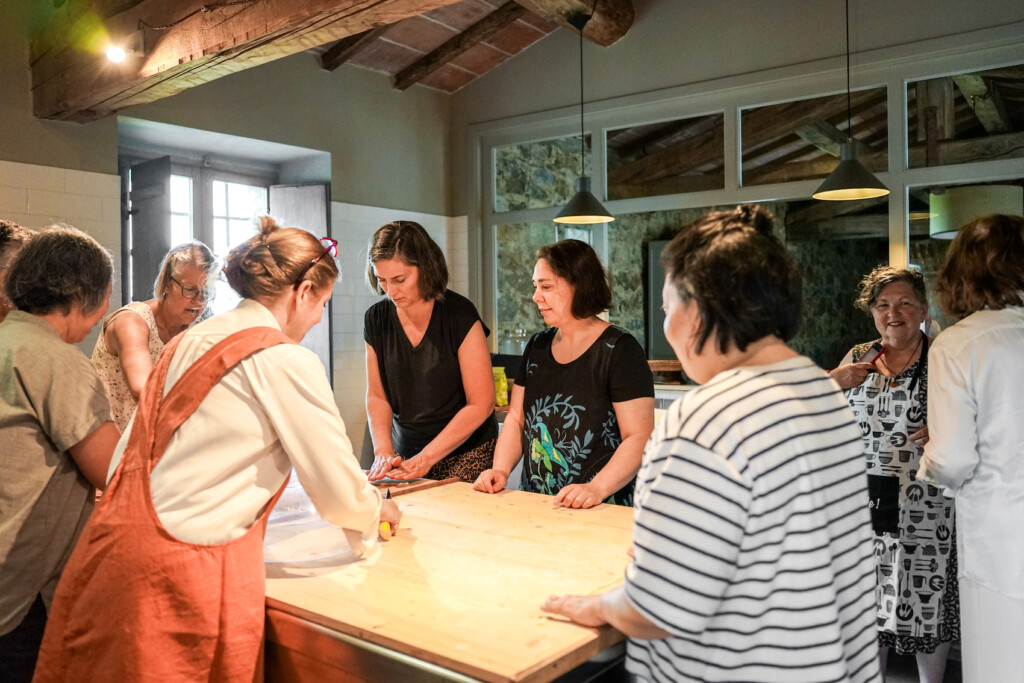
In this article, I’ll walk you through exactly what to pack for a cooking retreat in Italy in spring, from what to wear in the kitchen to what to leave room for on the way home.
I’m Louisa, and I’ve lived in Tuscany with my family since 2012. Today I teach cooking classes in Tuscany and run a spring and fall Tuscany cooking retreat at Camporsevoli, a medieval hamlet in the hills outside Cetona.
Living and cooking here through every season, I know how quickly spring weather in the countryside can change. Spring in Tuscany is beautiful, but it’s not summer. Mornings are crisp, stone houses stay cool, and a sunny lunch on the terrace can turn into a rainy afternoon.
Jump to Section
Quick Guide: Spring Cooking Retreat Packing List
| What to Pack | Why You Need It |
|---|---|
| Layers (t-shirts, a sweater, a light jacket) | Spring days in Tuscany start cool, warm up by lunch and cool down again after sunset. |
| Waterproof jacket or compact umbrella | April and May both see rain on roughly a dozen days a month. |
| Closed-toe, non-slip shoes | Safer around hot pans, flour-dusted floors and knives. |
| Comfortable walking shoes | For markets, vineyards, gravel roads and hilltop towns. |
| Kitchen-friendly clothes | Clothes you don’t mind getting flour, oil or tomato on. |
| One smart-casual dinner outfit | For a nice dinner out or a winery lunch. |
| Reusable shopping bag and small cash | For market visits and small producers. |
| Empty space in your suitcase | For olive oil, pecorino and other food souvenirs. |
Why Most Cooking Retreats in Italy Run in Spring and Fall

If you’ve started looking at culinary vacations, you’ve probably noticed that many cooking retreats in Italy are held in spring and fall, mainly in April and May and again in September and October. My own retreat follows the same calendar, and there are good reasons for it.
The Weather: Spring and fall are mild, so you can cook, walk to the market and eat outdoors without the heat of July and August.
The Produce: Spring brings peas, fava beans, asparagus and strawberries, while fall brings grapes, chestnuts, mushrooms and the olive harvest.
The Season: Some Italian cooking schools only run from spring through fall, and the countryside is quieter in winter.
If you’re still deciding between a few days of hands-on cooking and a single class, read my comparison of cooking retreats vs. cooking classes vs. food tours in Italy. If you’re leaning toward fall instead, here are my favorite fall foods in Italy.
What the Weather Is Like in Tuscany in April and May
Packing for spring in Italy is all about the gap between day and night. Here are long-term averages for Siena, which give a good idea of what to expect in the Tuscan hills.
| Month | Average High | Average Low | Rain | Pack For |
|---|---|---|---|---|
| April | About 17°C (63°F) | About 7°C (45°F) | About 65 mm, with some rain on around 13 days | Warm layers and a rain jacket |
| May | About 21°C (70°F) | About 11°C (52°F) | About 58 mm, with some rain on around 12 days | Lighter layers and sun protection |
Most of those rainy days bring passing showers rather than all-day downpours, but you’ll still want to stay dry between the kitchen, the car and the vineyard.
What to Wear at a Cooking Retreat in Italy
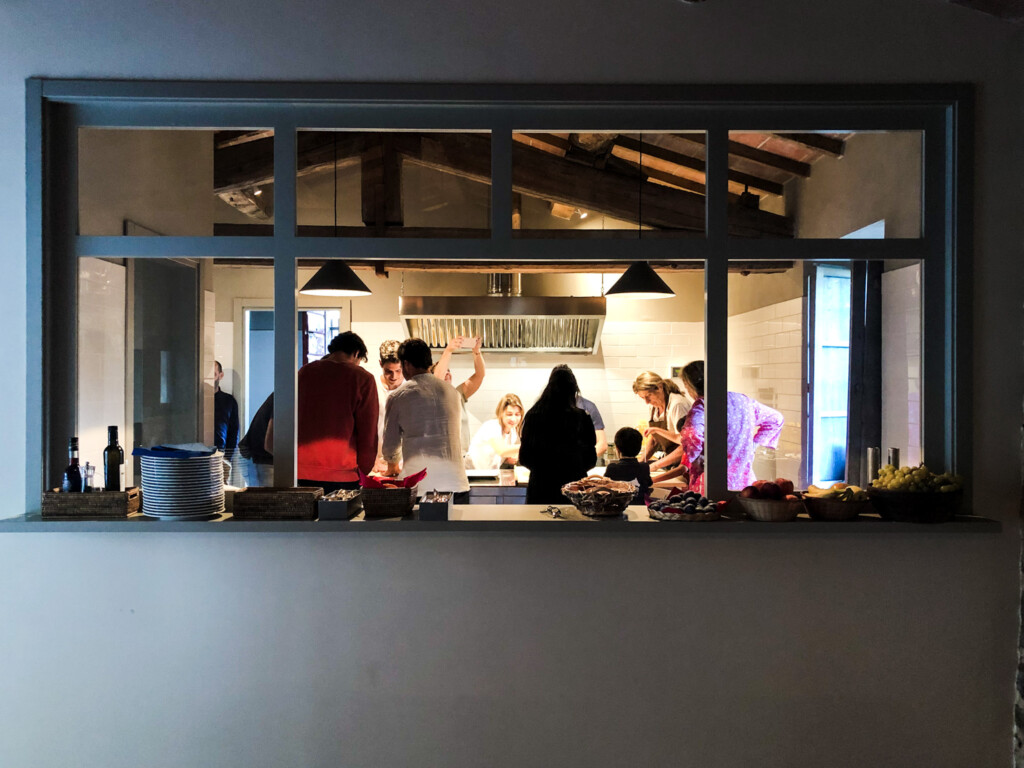
In the Kitchen
You will be rolling pici, kneading dough and standing over pots for a few hours at a time. Pack clothes that are comfortable, washable and that you don’t mind getting messy. Fresh pasta means flour on everything, and a tomato sauce will find your sleeve sooner or later.
Tops: Short sleeves or sleeves that roll up easily. Loose, flowing sleeves get in the way.
Bottoms: Comfortable trousers or jeans you can stand in for a few hours.
Shoes: Closed-toe shoes with a good grip. Kitchen floors can get slippery with flour and oil, and sandals are no protection against a dropped knife or splashes of hot water.
Extras: A hair tie or clip if you have long hair.
Good To Know: Most retreats provide aprons and all the kitchen tools you need, but check with your host before you go. Don’t pack your own kitchen knives in your carry-on, as they aren’t allowed in hand luggage.
Out and About
Retreat days usually include more than cooking. Expect morning market visits, wine tastings, visits with local producers and walks through hilltop towns. That means cobblestones, gravel farm roads and the odd muddy vineyard path after a spring shower.
Walking Shoes: Comfortable sneakers or walking shoes that can handle uneven ground. Leave the heels at home.
Light Jacket: A waterproof one if possible, so it doubles as your rain gear.
Sunglasses and Sunscreen: The spring sun is stronger than you’d expect, especially in May.
Sun Hat: Useful forlunches outdoors.
Scarf: It keeps you warm in the evening and covers your shoulders if you step into a church.
At Dinner
Italians dress smart casual for dinner, a bit more polished than you might at home. You don’t need anything formal, but bring at least one outfit for a nice dinner or a winery lunch, along with clean shoes and a layer for after sunset. My guide on what to wear for dinner in Italy covers every situation, and here are the five items to leave at home when dining out in Italy.
Practical Items to Pack for a Spring Cooking Retreat
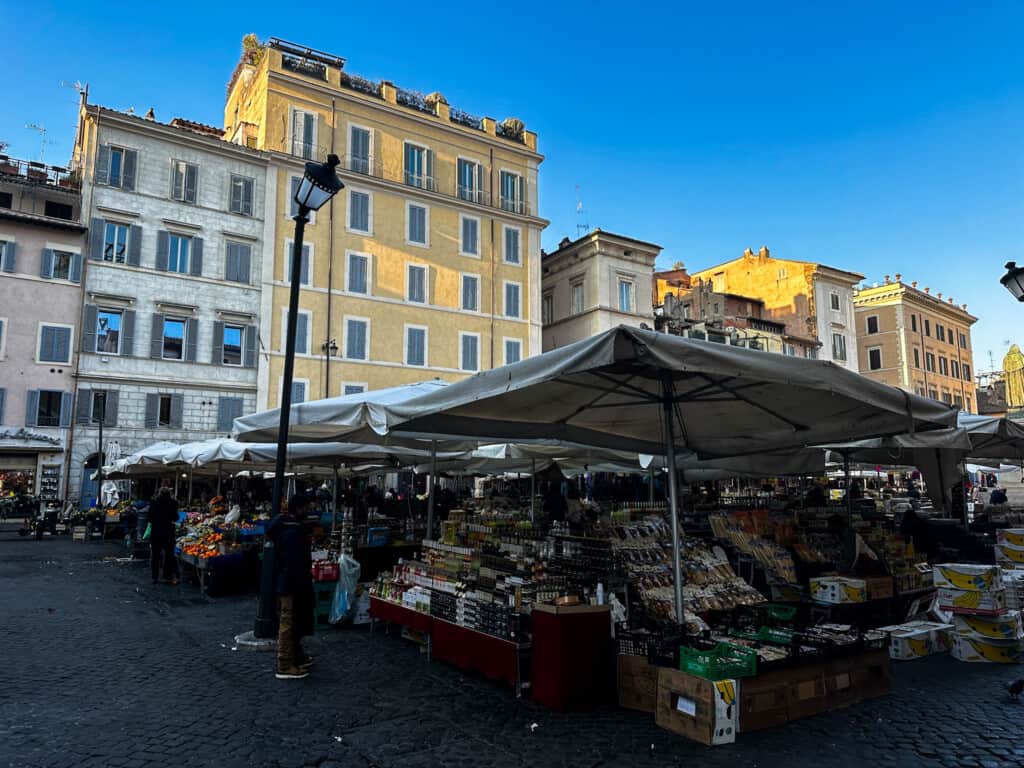
For Market Visits
A trip to the local market is one of the best parts of any cooking retreat in Italy. In southern Tuscany, Cetona holds its weekly market on Saturday mornings, and there are plenty of others nearby (see my guide to the top markets in Tuscany).
Reusable Shopping Bag: Easier than the small paper bags vendors hand out.
Small Bills and Coins: Many market stalls and small producers prefer cash for small purchases.
Read my 10 rules for shopping at markets in Italy before you go, so you shop like a local from day one.
Everything Else
Plug Adapter: Italy uses Type C, F and L plugs and 230 volts.
Notebook and Pen: For jotting down tips that never make it into a written recipe.
Allergy Medication: Spring in the countryside means pollen, so bring your usual remedy if you suffer from hay fever.
Dietary Notes: If you have allergies or follow a special diet, tell your host before you arrive and read my guide to eating with dietary restrictions in Italy.
Small umbrella: You never know when it’s going to pour!
Leave Room for Food Souvenirs

My biggest packing tip: don’t arrive with a full suitcase. After a week of cooking, you will want to take home a taste of what you made. Think extra virgin olive oil, pecorino di Pienza, dried pasta, honey or a bottle from a Montepulciano vineyard you visited.
Pack: A few zip-lock bags, bubble wrap or wine protector sleeves for bottles.
Consider: A foldable duffel bag you can check on the way home.
Check: Your country’s customs rules before you buy, especially for cheese and cured meats.
For ideas, see my lists of food souvenirs and gifts from Tuscany and the best food souvenirs from Italy.
What You Can Leave at Home
Kitchen Tools: Retreats supply what you need, and knives can’t travel in your carry-on anyway.
A Full Summer Wardrobe: Pack a couple of warm-weather pieces for May, but don’t count on beach weather.
Heavy Winter Coats: A sweater and a light jacket are enough for April and May.
High Heels: Cobblestones, gravel and vineyard paths will win every time.
What You’ll Be Cooking and Eating in Spring
Packing light leaves room for the best part: the food. Spring is one of the most exciting times to cook in Italy because winter vegetables overlap with the first spring crops. Peas and fava beans arrive at the market in April, followed by asparagus, radishes and strawberries in May.
See exactly what’s in season in my guides to seasonal fruits and vegetables in April and seasonal fruits and vegetables in May. Cooking with what’s in season is the heart of any good cooking retreat in Italy.
In southern Tuscany, expect classics like hand-rolled pici pasta, local pecorino and plenty of olive oil. Here’s more on what to eat in southern Tuscany.
Frequently Asked Questions
Do I need to bring my own apron or knives to a cooking retreat in Italy?
No. Cooking retreats in Italy usually provide aprons and all the equipment you need, though it’s worth confirming with your host. Kitchen knives aren’t allowed in carry-on luggage, so leave them at home.
Can I swim in Italy in April or May?
The sea is still cold for most people in April and much of May. Tuscany’s thermal springs are a better bet, since pools like those at San Casciano dei Bagni are naturally warm all year. Bring a swimsuit if your retreat is in southern Tuscany.
Do I need cash for a cooking retreat in Italy?
Your retreat itself is usually paid in advance, but carry some cash for extras. Market stalls and small producers often prefer cash for small purchases, and it’s handy for coffee, gelato and small souvenirs.
Is Easter a good time for a cooking retreat in Italy?
It can be, but Easter and Easter Monday are public holidays in Italy, and many shops, markets and producers close. In 2027, Easter Sunday falls on March 28, before most spring retreats begin. Read about Italian Easter food if you plan to be here for it.
Are there other public holidays to plan around in spring?
Yes. April 25 (Liberation Day) and May 1 (Labor Day) are national holidays in Italy, and many shops and markets close or keep shorter hours. Pick up anything you need, like adapters or medicine, before those dates.
If you’d like to join me in southern Tuscany, take a look at my Tuscany cooking retreat or book a private cooking class in Tuscany if you only have a day.
Cooking Retreats in Detail: Is a Cooking Retreat in Tuscany Worth It? An Honest Look | How to Choose a Cooking Retreat in Italy: 10 Questions to Ask | Cooking Retreat vs. Cooking Class vs. Food Tour in Italy: Which Is Right for You? | What to Eat in Southern Tuscany | 6 Cooking Classes In Tuscany | What to Pack for a Cooking Retreat in Italy in Spring