Ask an Italian what makes a good meal and the answer is rarely just the food. It’s who is sitting with you, how long you stay and the conversation that keeps going after the plates are cleared. Italians have a word for this: convivialità.
I’m Louisa, and I have lived in Tuscany with my family since 2012. I’ve spent years living, cooking and eating across all 20 Italian regions, and the thing that has shaped my life here more than any single dish is the Italian way of sharing a table. Every Christmas we sit down with our extended Italian family for lunch and don’t get up until late afternoon.
In this article I explain what convivialità means, where the word comes from, where you’ll see it in everyday Italian life and the unwritten rules of the Italian table. I also share simple ways to bring a little of it home, whether you’re traveling in Italy or cooking for friends.
Jump to Section
Quick Guide: Convivialità at a Glance
| Question | Short Answer |
|---|---|
| What does it mean? | The pleasure of being together around a shared table, with good food, conversation and no rush |
| How do you say it? | kohn-vee-vee-ah-lee-TAH |
| Where does the word come from? | Latin convivium (a banquet), from con (with) and vivere (to live) |
| Where will I see it? | Family lunches, holiday meals, aperitivo, village sagre and the neighborhood bar |
| Is it officially recognized? | Yes. UNESCO added Italian cuisine, including its social rituals, to its Intangible Cultural Heritage list in December 2025 |
| How can I take part? | Slow down, share dishes, stay for coffee and let the conversation run |
What Does Convivialità Mean?
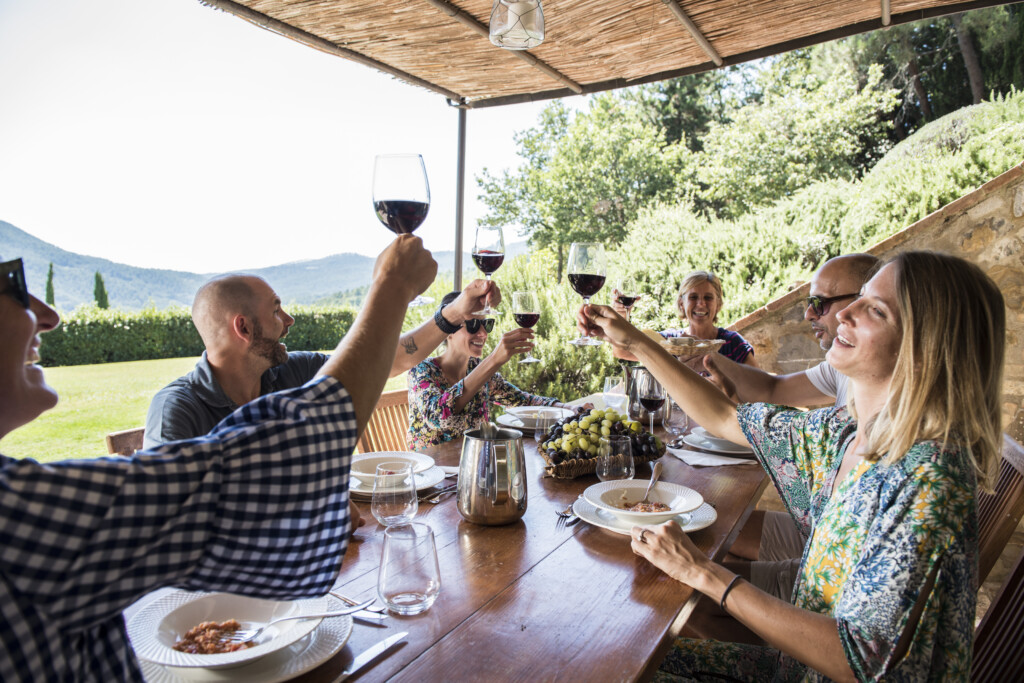
Convivialità translates as “conviviality,” but the English word doesn’t quite carry the same weight. In Italian it describes the warmth that comes from eating and drinking together: the long table, the passing of plates, the stories, the arguing over who makes the best ragù, and the feeling that nobody needs to be anywhere else.
It isn’t about fancy food or formal entertaining. A plate of pasta and a bottle of wine shared with friends on a Tuesday night is just as convivial as a wedding banquet. What matters is the time and attention you give to the people at the table.
Where the Word Comes From
Convivialità comes from the Latin convivium, meaning a banquet or feast. The word itself is built from con (with) and vivere (to live), so at its root it means “living together.” The Romans used the convivium as a social event as much as a meal, and Italian still has the related words convivio and convito for a banquet. Dante even titled one of his works Convivio, presenting it as a banquet of knowledge for his readers.
I love that the word for eating together and the word for living together share the same root. In Italy, they really are hard to separate.
Why the Table Matters So Much in Italy
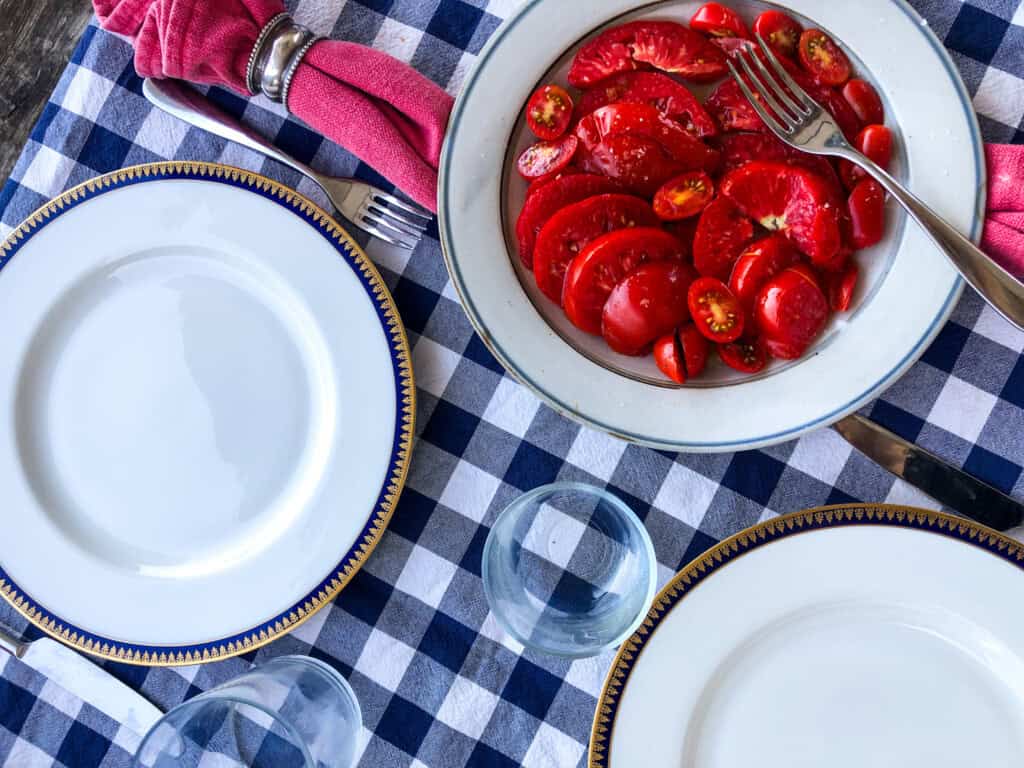
In Italy, the table is where family news is shared, where friendships are made and where children learn how to behave with adults. Meals are built to be shared, which is why a traditional lunch moves through several courses, from antipasto to dolce, at an unhurried pace. You can read more about how this works in my guide to Italian meal structure.
There’s an old Tuscan proverb you’ll hear at Italian tables: a tavola non s’invecchia, “at the table, you don’t grow old.” It’s usually said when someone suggests opening another bottle or bringing out one more dish, and it sums up the Italian attitude perfectly. Time spent eating together isn’t time wasted.
UNESCO Recognition of Italian Cuisine
On December 10, 2025, UNESCO added Italian cuisine to its Representative List of the Intangible Cultural Heritage of Humanity. Italy’s nomination, titled “Italian cooking, between sustainability and biocultural diversity,” made it the first national cuisine recognized as a whole rather than as a single dish or tradition. The recognition focuses on the practices and rituals around food, including conviviality and the passing down of recipes within families, and not only on the recipes themselves.
Italy already had other food traditions on the list, including the Mediterranean diet (shared with other Mediterranean countries), the art of the Neapolitan pizzaiuolo and truffle hunting.
Where You’ll See Convivialità in Everyday Italian Life
The Family Lunch
The big family meal in Italy is traditionally lunch, not dinner. Sunday lunch (il pranzo della domenica) is still an important ritual for many families, often at the grandparents’ house, and holidays stretch it even longer.
Our own Christmas Day meal is a good example. We sit down with extended family for a long, multi-course lunch, stay at the table until 4:00 or 5:00 pm, and finish with a game of tombola (Italian bingo) that lasts about an hour. Nobody checks the time, and that’s the point.
Aperitivo
Aperitivo is convivialità in its most relaxed form. Friends meet at a bar before dinner for a Spritz, a glass of wine or a non-alcoholic Italian drink, with a few snacks to share. It’s less about the drink and more about the habit of stopping to see people at the end of the day.
Sagre and Village Food Festivals
If you want to see convivialità at its most joyful, go to a sagra, a local food festival celebrating one dish or ingredient. In Tuscany it can feel like there’s one every week. You’ll share long tables with strangers, the food is cooked and served by volunteers from the town, kids run around together, and the music and dancing start once dinner is over.
Coffee at the Bar
Even a quick coffee is social in Italy. Locals stand at the bar, chat with the barista and catch up with neighbors for a few minutes before carrying on with their day. It’s a small, everyday version of the same instinct to connect over food and drink.
The Unwritten Rules of the Italian Table
None of these are written down anywhere, but you’ll notice them quickly, whether you’re invited to an Italian home or eating at a family-run trattoria.
Wait for Everyone: Don’t start eating until everyone has been served and the host begins.
Share What’s on the Table: Antipasti, bread, cheese and side dishes are passed around for everyone. Take a little and pass it on.
Don’t Rush: Nobody will hurry you, and in a restaurant the bill won’t arrive until you ask for it.
Toast Properly: Say cin cin or salute and look the person in the eye. Here’s how to toast in Italian.
Stay for Coffee: Leaving right after the main course is unusual. Stay for dessert, coffee and often a digestivo.
Bring Something: If you’re invited to someone’s home, a bottle of wine or a tray of pastries from the local pasticceria is always welcome.
For more practical tips on dining out, including the cover charge and tipping, see my visitor’s guide to eating in Italy.
How to Bring Convivialità Home
You don’t need to live in Italy to eat like this. These are the habits I’d suggest to anyone who wants to bring a bit of the Italian table home.
Cook With the Seasons: Simple, seasonal food is easier to share and puts the focus on the people. Here’s why Italians eat seasonally.
Start With Something to Share: Put out an Italian charcuterie board or a bowl of olives so everyone gathers before the meal begins.
Serve in Courses: Even a small pasta course followed by a simple main slows the meal down and keeps people talking.
Put the Phones Away: In my experience, the best Italian meals are the ones where nobody is looking at a screen.
Finish Slowly: Bring out coffee from a moka pot, a plate of Italian cookies and let the conversation run.
Frequently Asked Questions
How do you pronounce convivialità?
It’s pronounced kohn-vee-vee-ah-lee-TAH, with the stress on the final syllable, which is marked by the accent on the last letter. The adjective is conviviale, pronounced kohn-vee-vee-AH-leh.
What is the difference between convivialità and dolce far niente?
Dolce far niente means “the sweetness of doing nothing” and describes the pleasure of idleness and relaxation. Convivialità is specifically about the pleasure of being together, usually around food and drink. They often overlap at a long Italian lunch, but one is about rest and the other is about company.
Is Italian cuisine on the UNESCO Intangible Cultural Heritage list?
Yes. On December 10, 2025, UNESCO inscribed Italian cuisine on its Representative List of the Intangible Cultural Heritage of Humanity. It was the first national cuisine to be recognized in its entirety, with particular emphasis on its social rituals and family traditions.
How long does a traditional Italian meal last?
An everyday family meal may take an hour or so, but Sunday lunches and holiday meals often last three hours or more. At our family Christmas lunch, we usually stay at the table until late afternoon.
In Sum
Convivialità is one of the things I value most about life in Italy. It isn’t a dish or a recipe but a way of treating the table as the center of family and social life. The next time you sit down to eat with people you care about, slow down, share the food and stay a little longer than you planned. A tavola non s’invecchia.
If you’d like to experience it in person, my Tuscany cooking retreat and private cooking classes in Tuscany at Camporsevoli near Cetona end the way every good Italian day should: with everyone sitting down together to eat what we’ve cooked.
More on Italian food culture: Italian Meal Structure | Italian Dinner Courses | Sagras in Italy | Aperitivo in Italy | Merenda: Italian Snack Time
Hungry for more? Italian Christmas Day Meal | Traditional Italian Christmas Eve Dinner | Traditional Tuscan Foods | Italy Foodie Bucket List
Eating in Italy Basics: How To Order Food In Italian | Tipping In Italy | What Is A Coperto? | A Visitor’s Guide To Eating In Italy