Booking a cooking retreat in Italy for solo travelers comes with a few questions that couples never have to ask. Where will I sleep? Will I end up eating dinner alone? And how much more will I pay for a room of my own? These are fair questions, and they deserve straight answers before you put down a deposit.
Ciao! I’m Louisa and have lived in southern Tuscany with my family since 2012. I host a small-group cooking retreat at Camporsevoli, a private medieval village on the slopes of Monte Cetona. Solo travelers, many of them women, make up a big share of the people who look into cooking holidays in Italy, so I want to be clear about exactly how a week here works when you come on your own.
In this guide I cover rooms, group dinners and single-occupancy pricing on a solo cooking retreat in Tuscany, plus the practical details that matter when you travel alone.
Jump to Section
Why a Cooking Retreat Works So Well for Solo Travelers in Italy
Italian food culture is built around the shared table. Italians have a word for it, convivialità, and I’ve written a whole piece on the Italian art of gathering at the table. Meals here are long, social and usually eaten in company, which is wonderful until you’re traveling alone and sitting by yourself at a trattoria at 8:30 in the evening.
Eating alone in Italy is perfectly normal at lunch or at the bar, and nobody will look twice. Dinner is different. It starts late (see what time Italians eat dinner), it often runs through several courses following the traditional Italian meal structure, and it’s really designed to be shared. A small-group cooking retreat solves this. You cook with the group, then sit down and eat what you made together, every single evening.
The other big advantage is logistics. The countryside of southern Tuscany is beautiful but not easy to get around alone without a car. On a retreat, the driving, the bookings and the timing are handled for you, so your only job is to show up hungry.
Solo Female Travel in Italy: Practical Points for a Cooking Retreat

Getting to Tuscany on Your Own
You don’t need to rent a car. Take the train to Chiusi-Chianciano Terme, a station on the main Florence–Rome line, and a private transfer brings you to Camporsevoli. Pickups on arrival day run from 12:00 to 6:00 pm, and on the last morning you’re driven back to the same station. Cetona itself is hard to reach by bus, which I explain in my guide to visiting Montepulciano without a car, so having transport included makes a real difference when you’re traveling solo.
Nearest Station: Chiusi-Chianciano Terme
Transfers: Private, from the station on day 1 and back on day 7
Daily Transport: Included for every outing during the week
Not Included: Flights and airport transfers
Planned Days With Room to Breathe
One worry I hear from people traveling alone is being either overscheduled or left with nothing to do. An Italian cooking retreat follows a steady rhythm: breakfast, a morning outing, lunch out and about, an afternoon cooking class, then aperitivo and dinner. On Siena day, you have a guided food tour and lunch, then a free afternoon to wander on your own before the coach heads back. If you’d like ideas for those free hours, my food lover’s day in Siena has my favorite places to stop.
Feeling Safe in the Tuscan Countryside
Camporsevoli is a private village surrounded by woods and olive groves, and transfers are always with the group driver all week. The usual city precautions, like keeping an eye on your bag on busy trains and in crowded parts of Florence and Rome, matter much more than anything you’ll meet out here.
Good To Know: 112 is the single emergency number in Italy and across the European Union. Save it in your phone before you leave home.
Rooms on a Solo Cooking Retreat in Tuscany
Single Room or Double Room?
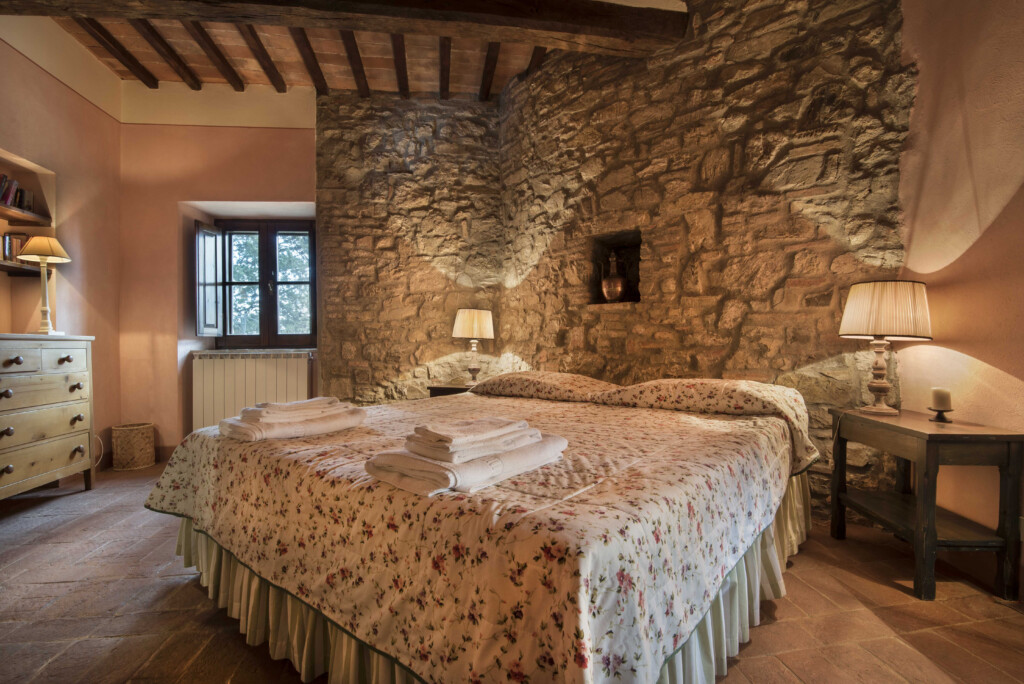
Solo travelers can book a room of their own, so you don’t have to share with a stranger. If you’re coming with a friend, sibling or travel companion, you can share a double room and pay the lower per-person price.
Where You’ll Stay at Camporsevoli
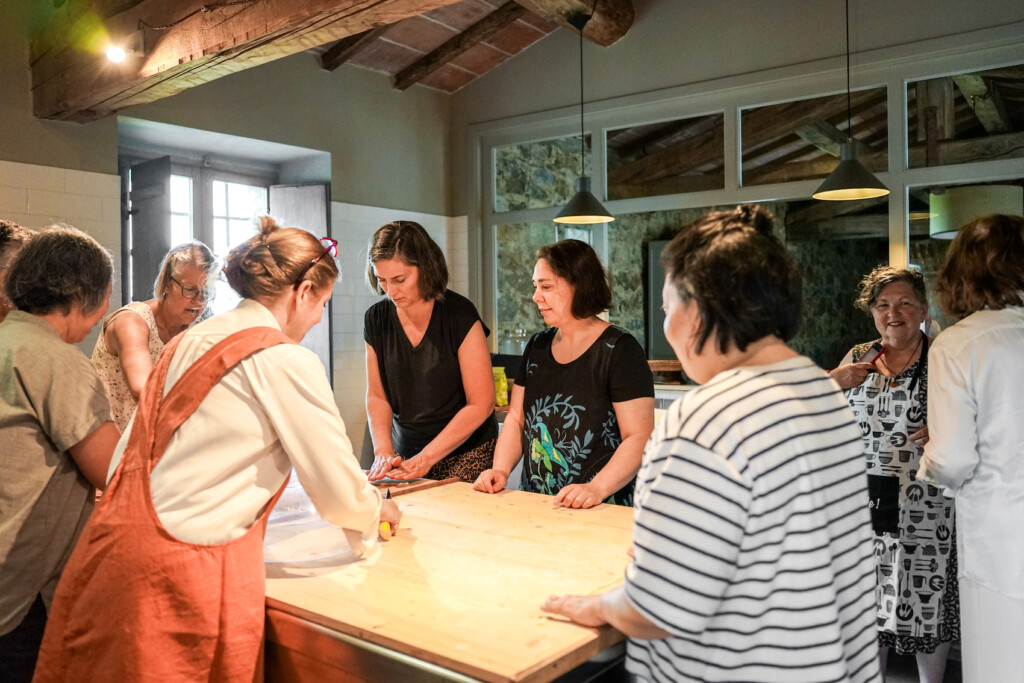
Guests stay in the hamlet’s old stone farmhouses, and you don’t leave the property to sleep or to cook. The Granaio, an old grain barn, is the dining room, and classes take place in a professional kitchen just steps away. After dinner, getting back to your room is next door rather than a drive down a dark country road.
Good To Know: Stone farmhouses stay cool, and evenings in the hills can be chilly in both May and October. My packing lists for a cooking retreat in spring and a cooking retreat in fall cover the layers you’ll want.
Single-Occupancy Pricing: What Solo Travelers Pay
Many retreats in Italy price rooms for two, so a solo traveler pays a single supplement on top of the advertised price. Here is exactly how it works on my retreat:
| Room Type | Price Per Person | Best For |
|---|---|---|
| Single room | $4,995 | Solo travelers who want a room of their own |
| Double room | $4,495 | Couples, friends or two solo travelers sharing |
The single supplement is $500 for the week. Everything else is the same: the same classes, outings, meals and transport.
What’s Included in the Price
Lodging: 6 nights at Camporsevoli
Cooking Classes: Daily hands-on classes in a professional kitchen
Excursions: Six food and wine outings
Meals: Daily breakfast, lunches at local restaurants and producers, and the group dinners
Transport: Private daily transport, plus station transfers
Not Included: Flights, airport transfers and travel insurance
A 30% deposit holds your place. For a frank look at the numbers, read is a cooking retreat in Tuscany worth it.
Questions to Ask About Single Pricing
Whatever cooking holiday in Italy you’re looking at, ask these before you book. They sit alongside the broader checklist in how to choose a cooking retreat in Italy.
- Is there a single supplement, and how much is it?
- Is the single room a true single or a double for one person?
- Are all dinners included, or only the ones after classes?
- Is transport from the station included, or will you pay for a taxi alone?
- Is the deposit refundable, and what is the cancellation policy?
Group Dinners: Where Solo Travelers Stop Being Solo
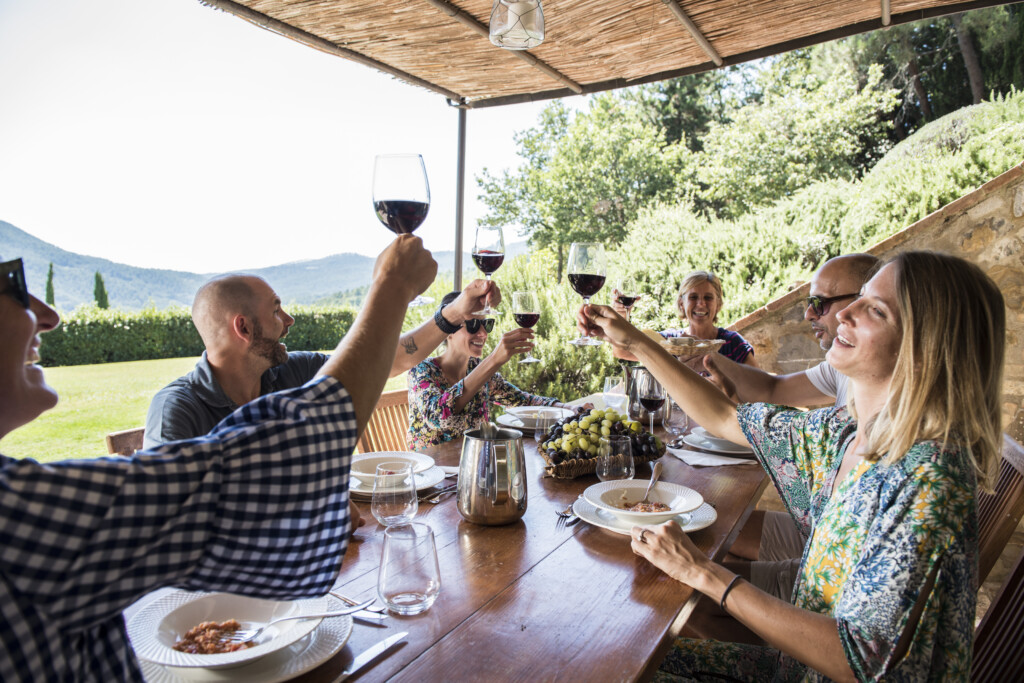
This is the part most solo travelers end up loving. With a maximum of 12 guests, the group is small enough that everyone talks to everyone. By the second evening, you’re passing bowls of pasta across the table to people who were strangers on Saturday.
How an Evening Unfolds
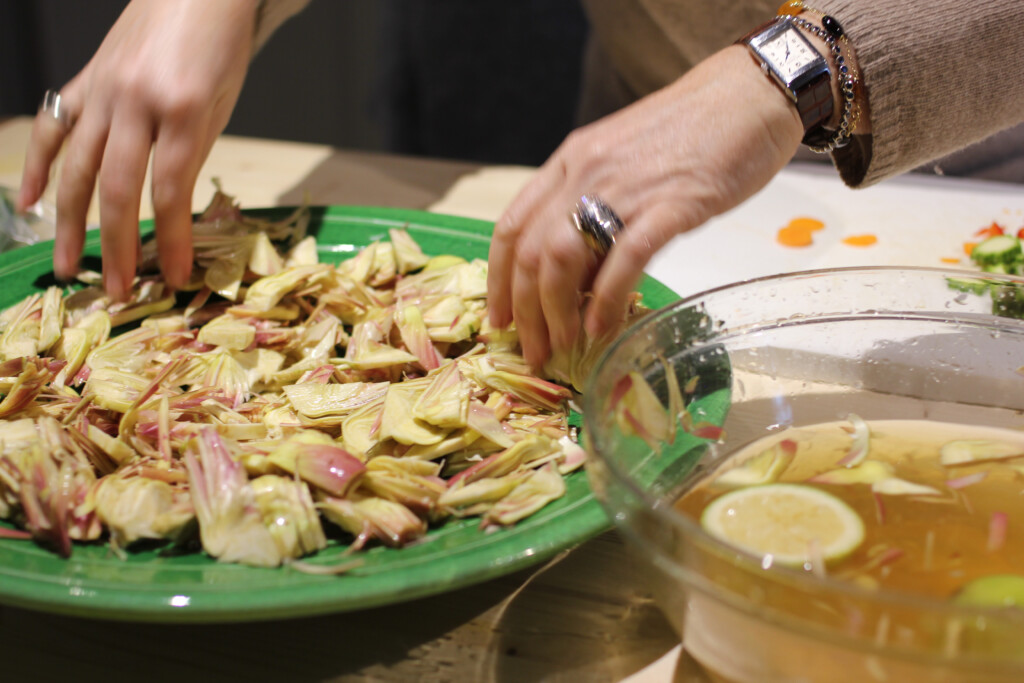
Afternoon classes are hands-on, and everyone cooks. When the class ends, the table is set, a glass of local wine is poured, and you sit down to the full meal you’ve just made together.
The Dinners of the Week
Day 1: Welcome cocktail, a tour of the village and the first dinner together
Day 2: Dinner in the Granaio after the morning truffle hunt and an afternoon class featuring truffles
Day 3: Regional Tuscan dinner after a traditional Tuscan cooking class
Day 4: Seasonal dinner after the market cooking class
Day 5: Pizza party night after the day in Siena
Day 6: Farewell dinner after the class on hand-rolled pici, served with aglione sauce
The full sample schedule, including every lunch stop and the Montepulciano winery visit, is in my day-by-day guide to what to expect on a cooking retreat in Tuscany.
Spring or Fall: When to Book a Solo Cooking Retreat in Italy
Both seasons work well for solo travelers. The choice really comes down to what you’d like to cook and eat.
Spring Cooking Retreat in Tuscany (May)
May brings long days and green hills. Fresh fava beans, or baccelli, are eaten raw with young pecorino, and you’ll taste plenty of local cheese, including the Pecorino di Pienza made nearby. My guide to southern Tuscany in May covers the season in more depth.
Fall Cooking Retreat in Tuscany (October)
October is harvest season. Porcini and chestnuts arrive, white truffle season opens, and the last of the grape harvest, or vendemmia, wraps up in the hills. The olive harvest starts at the end of the month. For more on fall food, see produce to try in October in Italy.
Cooking Retreats in Detail: Is a Cooking Retreat in Tuscany Worth It? An Honest Look | How to Choose a Cooking Retreat in Italy: 10 Questions to Ask | Cooking Retreat vs. Cooking Class vs. Food Tour in Italy: Which Is Right for You? | What to Eat in Southern Tuscany | 6 Cooking Classes In Tuscany | What to Pack for a Cooking Retreat in Italy in Spring | What to Pack for a Cooking Retreat in Italy in Fall – Plus Packing List | Gift a Cooking Retreat in Italy | A Cooking Retreat in Italy for Solo Travelers
Frequently Asked Questions
Is Italy safe for solo female travelers?
Italy is a popular destination for women traveling alone, and rural southern Tuscany is quiet and calm. The main thing to watch for is pickpocketing on busy trains and in crowded city centers. On a retreat, you travel with the group and a private driver, which removes most of the worry.
Do I need to be a good cook to join a cooking retreat in Italy?
No. Classes are hands-on and everyone cooks, whether you’ve never rolled pasta or cook every day at home. Small groups mean there’s time to help each person at the counter.
Can I join if I have dietary restrictions?
Yes. Vegetarian, vegan and gluten-free meals can be arranged with advance notice, though the kitchen is not gluten-free, so cross-contamination is possible. My guide to eating with dietary restrictions in Italy has more tips for the rest of your trip.
How far ahead should I book a solo cooking retreat?
As early as you can. Each week takes a maximum of 12 guests, so places are limited. A 30% deposit holds your place.
Can I book a private cooking class instead of a full week?
Yes. I also teach private cooking classes in Tuscany at Camporsevoli or in your own villa or rental, which suits travelers who only have a day or two in the area.