Last updated on November 6th, 2025
I can’t tell you how many times I’ve had friends and family come to visit me in Italy and drop 5 pounds with no effort… while chowing down on some of the most delicious and carb-heavy foods.
So, how are they doing it? Why does it only happen when they come to Italy? What is the Italian trick to staying so thin and healthy while eating pasta and pizza all the time?
Based in Italy since 2012, I’ve learned to live life in harmony. This includes eating well-balanced and wholesome food – pasta included.
Let’s look at how Italians to stay so thin and healthy while eating pasta and pizza every day – and how you can do it too! Perhaps you can’t incorporate every element into your lifestyle, but you’ll be surprised how just a few, simple changes can make all the difference!
Important: I am not a doctor nor a dietitian. Trends and topics discussed in this article are based on my personal experience and observation of Italians over time.
Jump to Section
Italians Eat A Light Breakfast

Breakfast in Italy is usually quite light (although usually sweet). If at a bar, this means some kind of coffee beverage with a small pastry (not butter heavy like the French). At home this might mean a few cookies, coffee, a piece of fruit and maybe a small yogurt. Compared to international breakfasts such as eggs and bacon, this is quite light.
How To Do It: Swap your morning eggs sandwich for a yogurt and a piece of fruit. Keep the coffee!
Italians Don’t Snack
Generally speaking, Italians don’t really snack between meals. They might have a gelato in the summer or a small piece of schiacciata or focaccia if they are really hungry but as a general part of their culture, snacking is reserved for kids at merenda time.
Adults typically go straight to aperitivo hour where they will eat a small, salty bite such as some olives, peanuts or crackers with a low ABV aperitif to tie them over.
How To Do It: Try to avoid snacking by eating a wholesome diet that will keep you full between meals. If you are starving, eat a small handful of nuts or fruit (a very popular option in Italy), not a processed snack.
Italians Eat Seasonally

Italian dishes and regional culinary traditions are based on seasonal, local produce. This means that dishes change according to the season and what can grow in that region. Ultimately, this means cooking with and eating foods that are picked relatively recently, containing more vitamins and being of higher nutritional value (when compared to produce picked abroad several weeks or even months before consuming).
Foods with higher nutritional value tend to be healthier and tastier and from my experience, this helps to keep me more full and satisfied in the long run. If the basic ingredients are full of flavor, you don’t need to add a ton of extra olive oil, butter or seasoning.
How To Do It: Try to follow what you see showcased at your grocery store and make recipes with those ingredients.
Curious to know more about Italy’s seasonal foods, dishes, and produce? Check out
Foods to Eat in Italy by Month in January – February – March – April – May – June – July – August – September – October – November – December and by Season in Spring – Summer – Fall – Winter.
Italian Fruits and Vegetables in Season in January – February – March – April – May – June – July – August – September – October – November – December.
Italian Recipes for Spring – Summer – Fall – Winter
Italian Nuts
Italians Don’t Multitask While Eating
A large part of Italian culture is sitting down for a meal in good company or family and carving out a specific window of time to do so away from work environments. Doing this allows Italians to fully immerse themselves in what they are tasting instead of getting distracted by what they are trying to simultaneously do. This means no working lunches or grazing as you try to blaze through office work.
How To Do It: Self care is a huge part about being healthy. If you only have half an hour, it’s better than nothing and that break will help you stay focused and more productive in the afternoon.
Italians Don’t Drink Empty Calories Throughout The Day

Italians don’t tend to drink caloric beverages, if not during aperitivo or on occasion. Italians drink water when they are thirsty, not iced tea or coffee, caffeinated beverages or other soft drinks and juices.
This isn’t to say that Italians don’t ever enjoy a Coca Cola. They sure do, but not daily.
How To Do It: If you are very accustomed to drinking caloric, flavored drinks throughout the day, phase them out by slowly switching to flavored seltzer water.
Italian Portions Are Smaller
The Italian meal structure comprises several courses, each with a modest and appropriate proportion. It may seem like Italians eat a lot from an outsider’s perspective as they are eating many courses at their largest meal but in reality, they are just having a small amount of pasta and then a piece of meat, not an entire chicken breast.
How To Do It: Even if you don’t adopt the Italian meal structure, think about how much you are eating of each type of food and keep things balanced by learning more about what a holistic diet means from reliable sources or a professional.
Italians Eat One Large Meal A Day
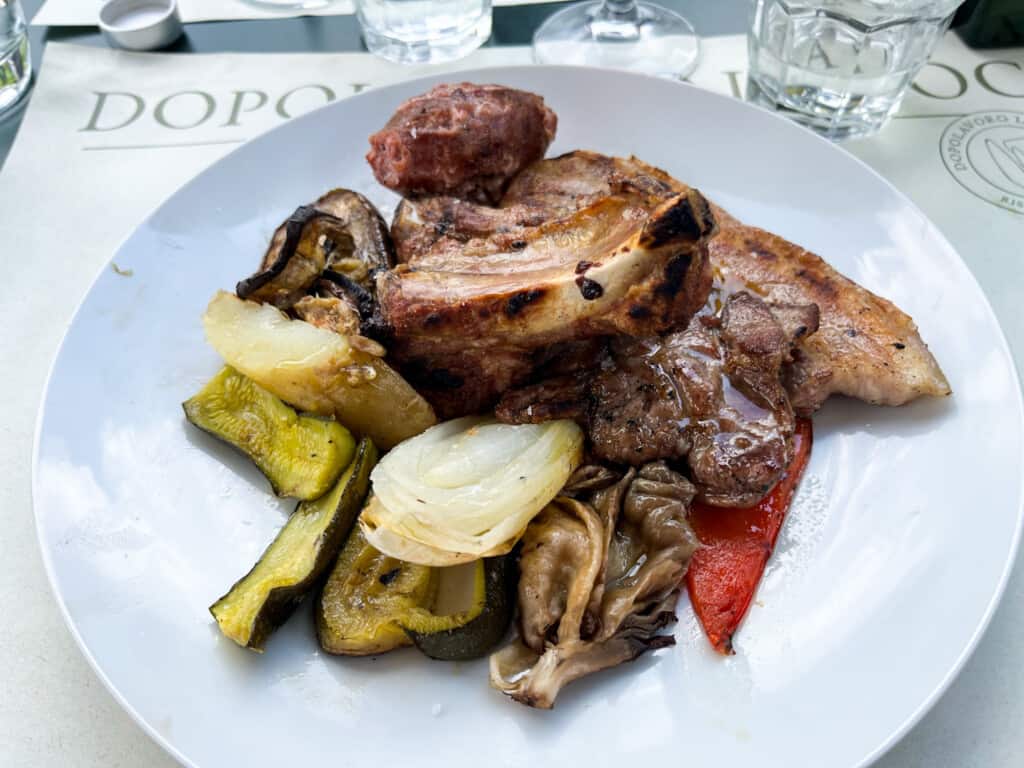
As noted, breakfast is light. Historically, lunch has always been the largest meal of the day in Italy but as the country moves to a more business oriented work schedule, the largest meal of the day tends to be dinner.
This means that at lunch they are having either a first or second course or a large salad of some kind (caprese, for example). What they aren’t doing is sitting down for a three or four course meal twice a day.
How To Do It: Think about what meal is most important to you and your family and make that the largest meal. Keep the other meals on the smaller side.
Italians Eat A Varied And Balanced Diet
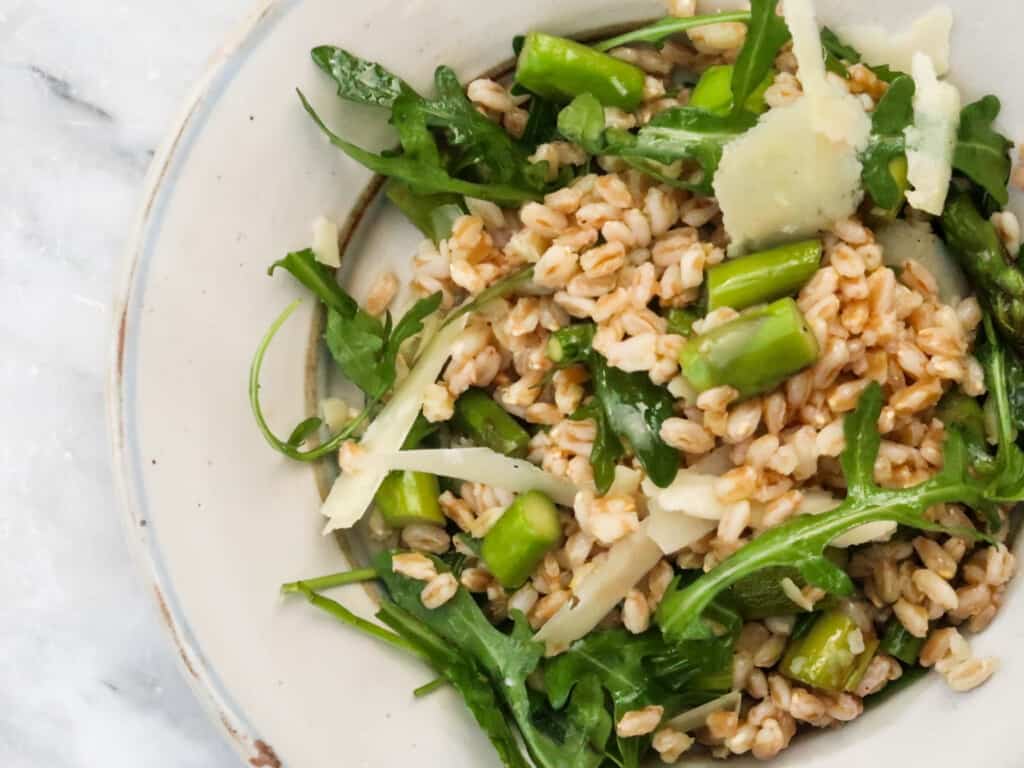
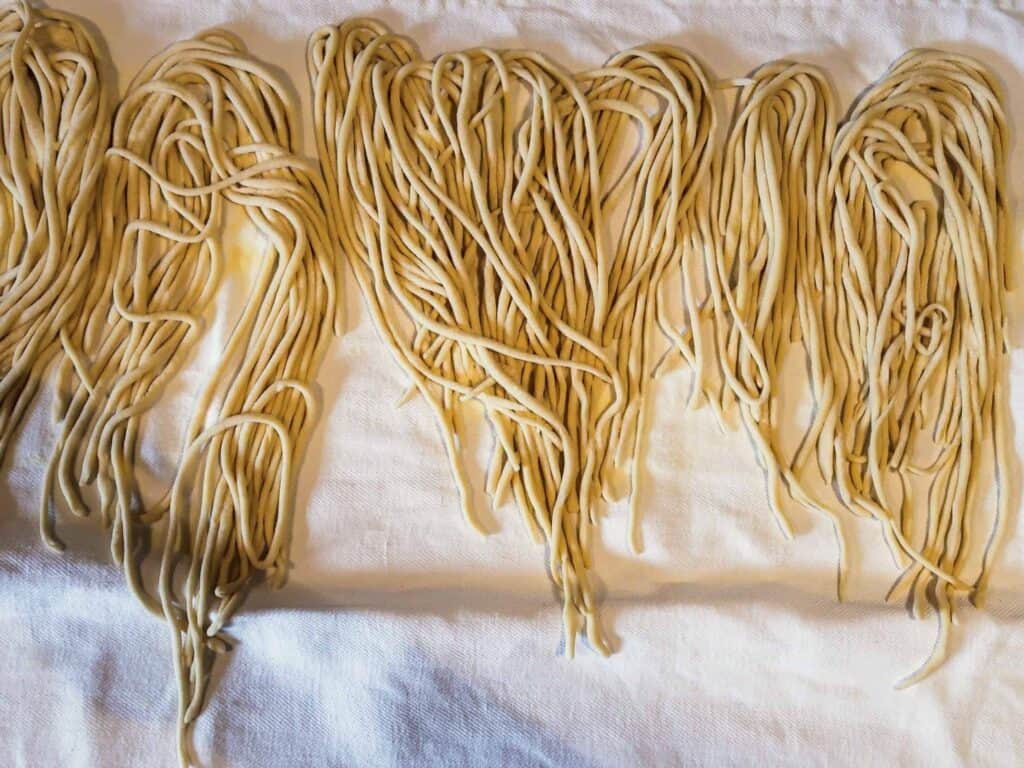
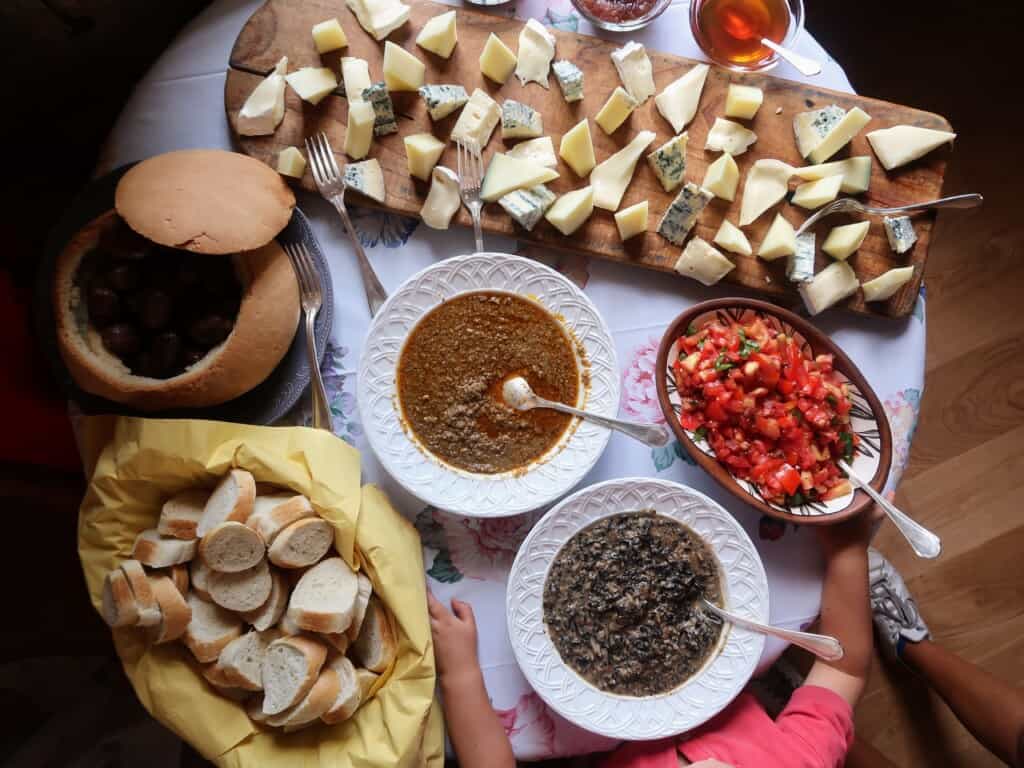
While it’s true that most Italians do eat pasta every day, they are also eating a well balanced diet that is full of fruits, vegetables, whole grains and olive oil. This helps them feel satisfied and full throughout the day.
Keep in Mind: As a longtime resident of Italy, I have noticed that it’s naturally easier to eat a balanced diet here because food is so much more accessible and seasonal. Italians are much less likely to reach for a refined snack in grocery stores if there is an abundance of fresh food options in the next aisle down.
Italians Eat Fruit For Dessert
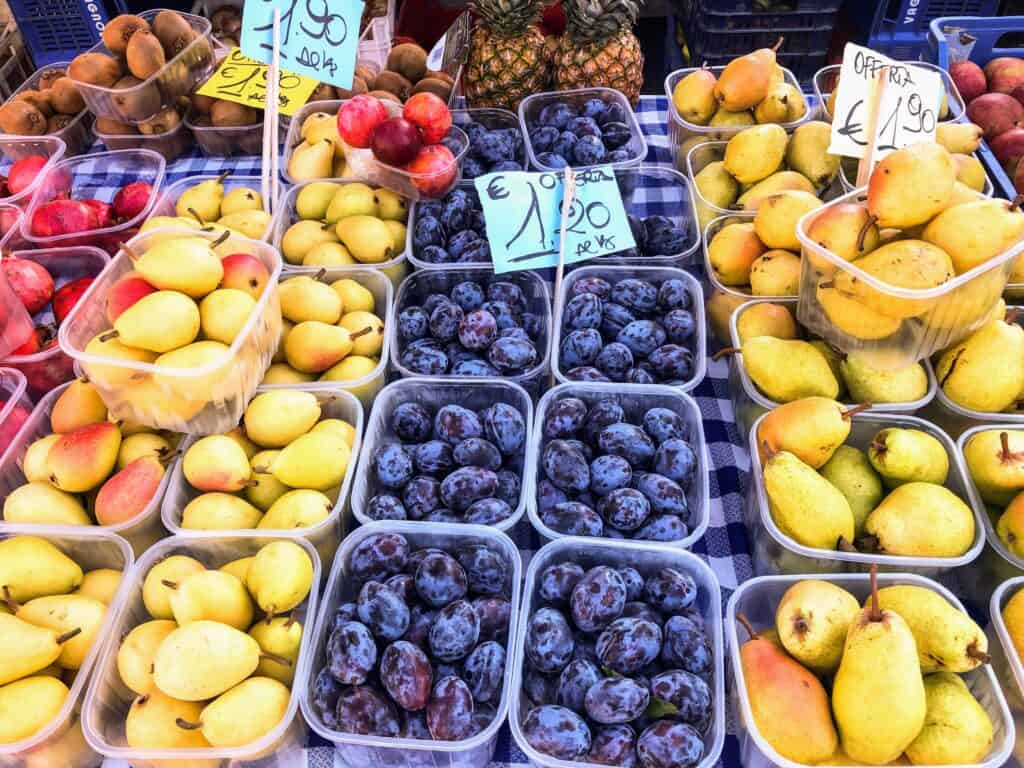
To my point about a balanced diet, Italians don’t eat a lot of refined foods and sugar. For dessert, it’s an Italian tradition to eat seasonal fruit. This isn’t to say that Italians never eat dessert but they are certainly not doing so daily. Rather, they eat fruit, helping them to stay full and maintain a healthy balance of nutritional foods.
How To Do It: Keep seasonal fruit on hand. If you are used to eating something sweet after every meal, slowly get in the habit of consciously eating a piece of fruit instead of a dessert after a meal. It’s a hard habit to break but fruit does work to curve your sweet tooth.
Italians Limit Their Meat Intake
While Italians do love their meat they enjoy it in limited quantities, much like sugar. Instead, meat is often used as a flavor ingredient in dishes, rather than the star.
If meat is part of their main course for dinner, they will consume much smaller proportions compared to other cultures that eat a meat-heavy diet.
How To Do It: Try and think of meat as just a part of your meal. A whole chicken breast is far too much in one sitting. Instead, incorporate it into a one-pot meal or a more complete dinner with side dishes that incorporate carbohydrates, fibers, vegetables and fats. A bed of lettuce with a cup of chicken salad is not exactly what Italians would define as balanced!
Other Concepts And Rules For Living a Healthy Lifestyle In Italy
- Everything in Moderation
Italians aren’t obsessed by their weight as other countries are. Do they care how they look? Absolutely, but it’s also about how they feel.
From my experience in Italy, I have noticed many Italians use their belt buckle as a scale. Are you not able to close your belt in its typical notch after the Christmas holidays? If that is the case, Italians just reel it in a little. This means no diet but rather, just keeping things light and perhaps a little more moderate until their pants fit as they usually do again.
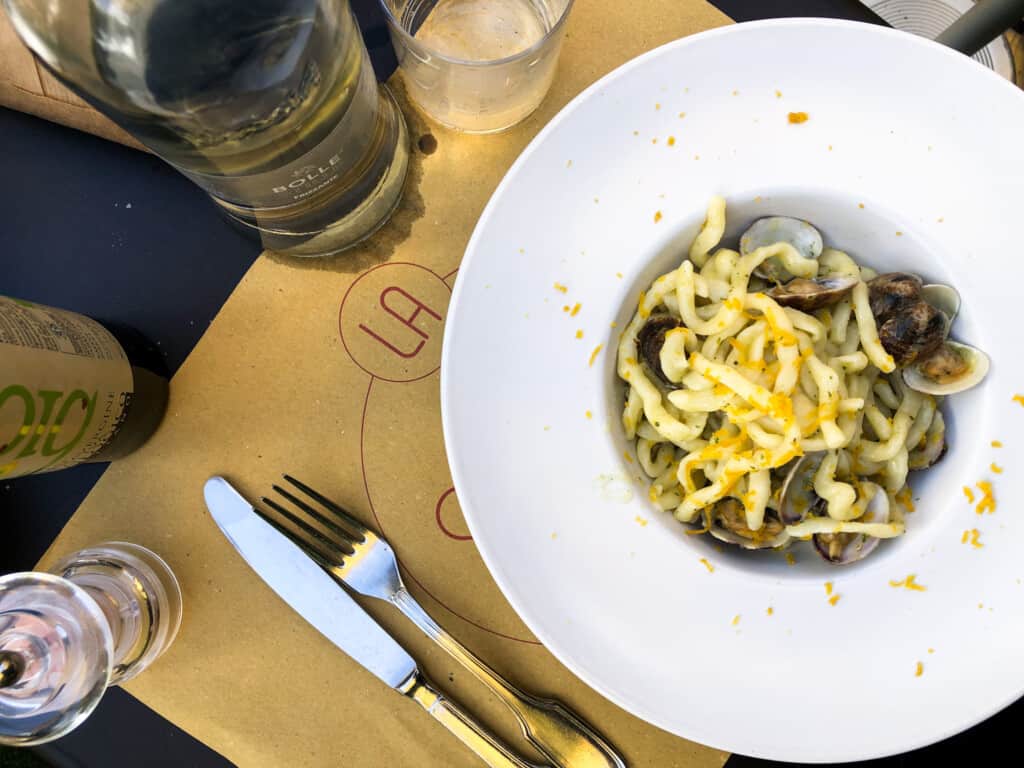
This means pasta too! Read all about how Italians eat pasta and portion sizes in Do Italians Eat Pasta Every Day?
- Walk It Off
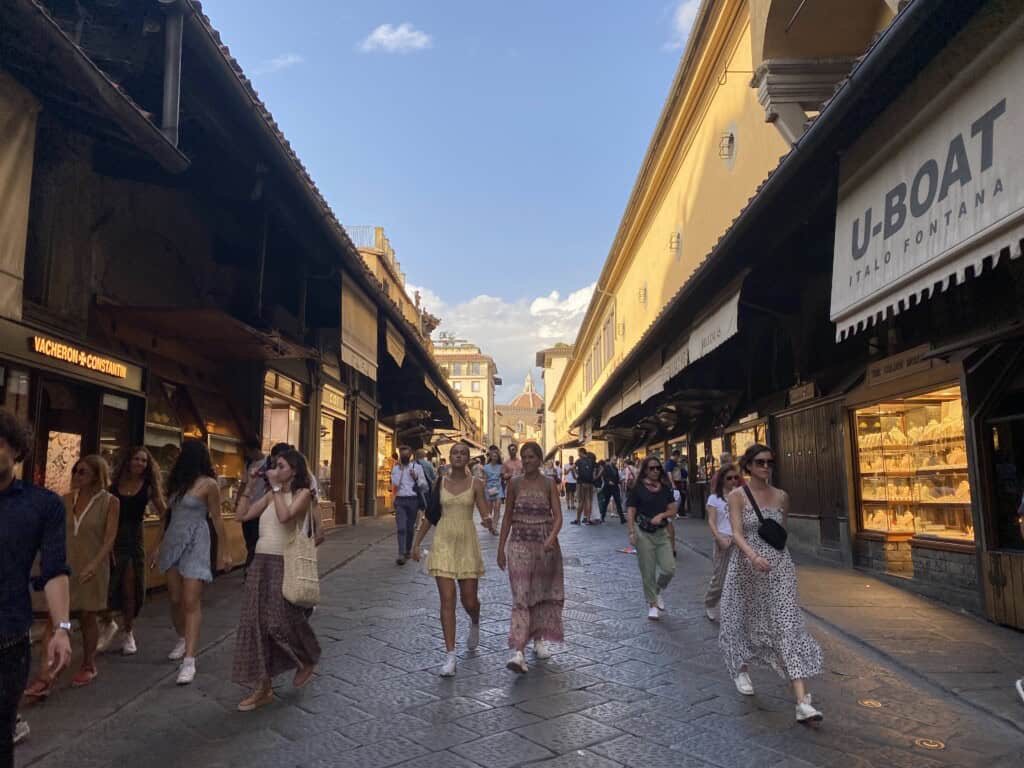
A large part of the Italian lifestyle is walking. By walking I don’t mean putting on your spandex and going for a workout walk. It means living an active lifestyle that includes walking as a mode of transportation. Italians walk or bike A TON and take pleasure in the act of doing so.
- Don’t Eliminate Foods
Italians stay healthy and satisfied by eating what they like in moderation. They don’t completely eliminate foods or categories, in the hopes of dropping a couple kilos. Instead, they just hold back a bit, perhaps eating more fruits for dessert instead of cake. In this way, they aren’t eliminating sugar all together but just altering their type of sugar intake.
- No Starving Allowed
Italians don’t stay thin by starving themselves. This habit can lead to feeling deprived. Skipping meals isn’t really a thing here in Italy.
- Food Is Fuel, Not A Reward
Italians see food as fuel, a necessary ingredient for living well physically but also physiologically. Soul food is just as important as wholesome food in Italy. Keeping your psyche healthy is key to a good sense of self.